Category Archives: Travel in Spain

Camino de Santiago: Ponferrada

September 25, 2016:  Short and sweet today with a bus ride from Astorga to Ponferrada, Spain which is the last major town on the French route of the Camino de Santiago until Santiago de Compostela.

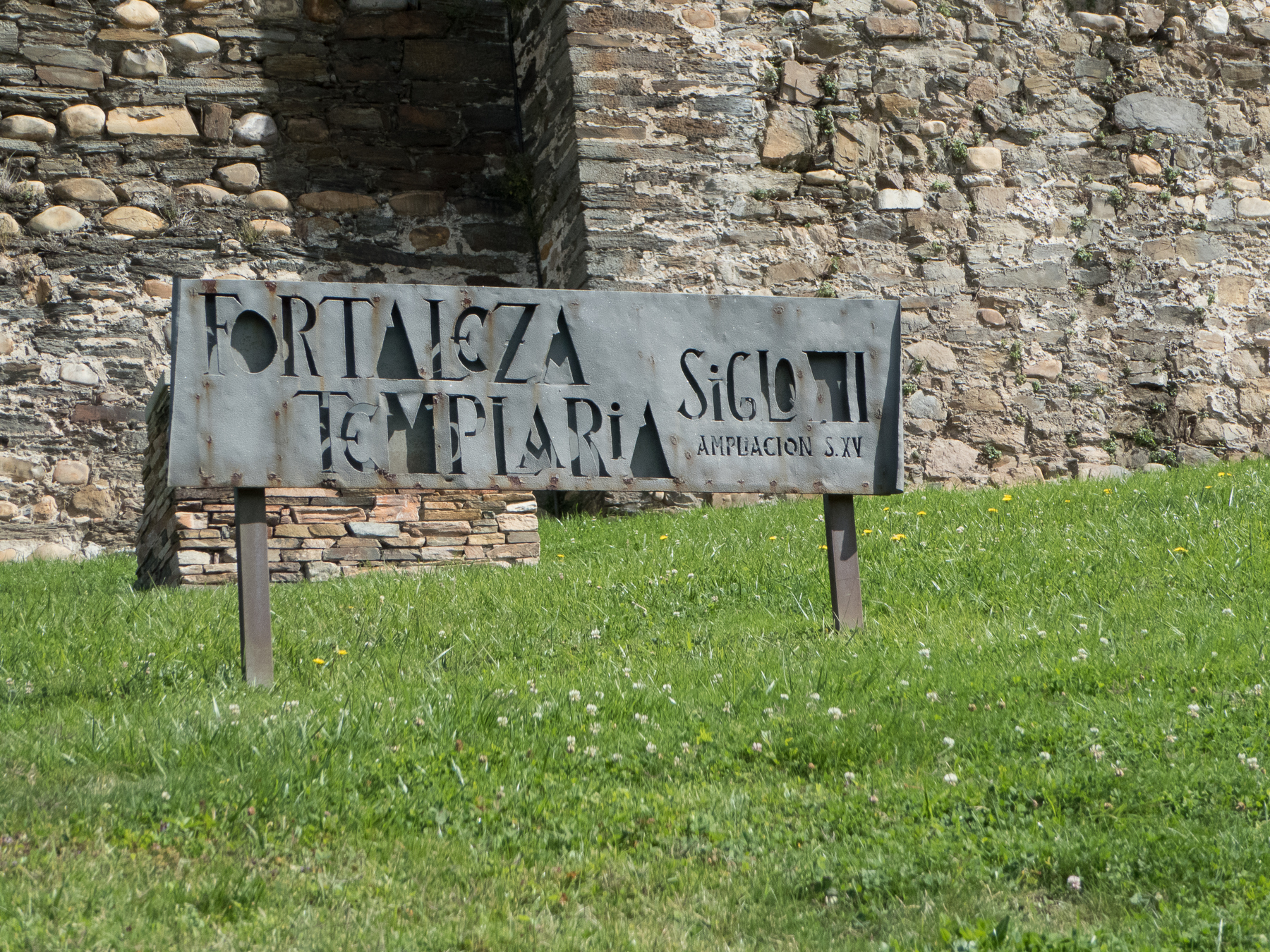
Taking a step back in time, we tour the magnificent 12th century Templar castle.  Originally a hill-fort and later a Roman citadel we peer through the windows and peepholes viewing the city below and the mountains in the distance.

camino-1030427At the beginning of the 12th century, the Templar knights took possession of the fortress.
camino-1030439They reinforced and extended the building for use as a palace as well as provide protection of pilgrims en route to Santiago de Compostela. Its twelve original towers reproduced the shapes of the constellations.camino-1030438The castle hosted the Knights Templar’s Grand Master of Castille. Unfortunately, the Templars were only able to enjoy the use of their fortress for about twenty years before the order was disbanded and its properties confiscated. ~spain.info 

According to andaspain.com, The Knights Templar were disbanded in 1307 by King Philip IV of France due to growing mistrust of the organization, as well as the Kings large financial debt to the group. It is thought that most members were arrested and tortured into giving false confessions, resulting in being burned at the stake. Mystery and speculation grew due to the swift disappearance of this immense and mighty group. Even now, many hold on to the belief that the Templars did not dissolve but went underground and continue to exist today. Interestingly, King Fernando IV gifted the castle to his butler once the Order of the Templars was dissolved.  Hmmm… strange, indeed.

Top three photo picks of the day:
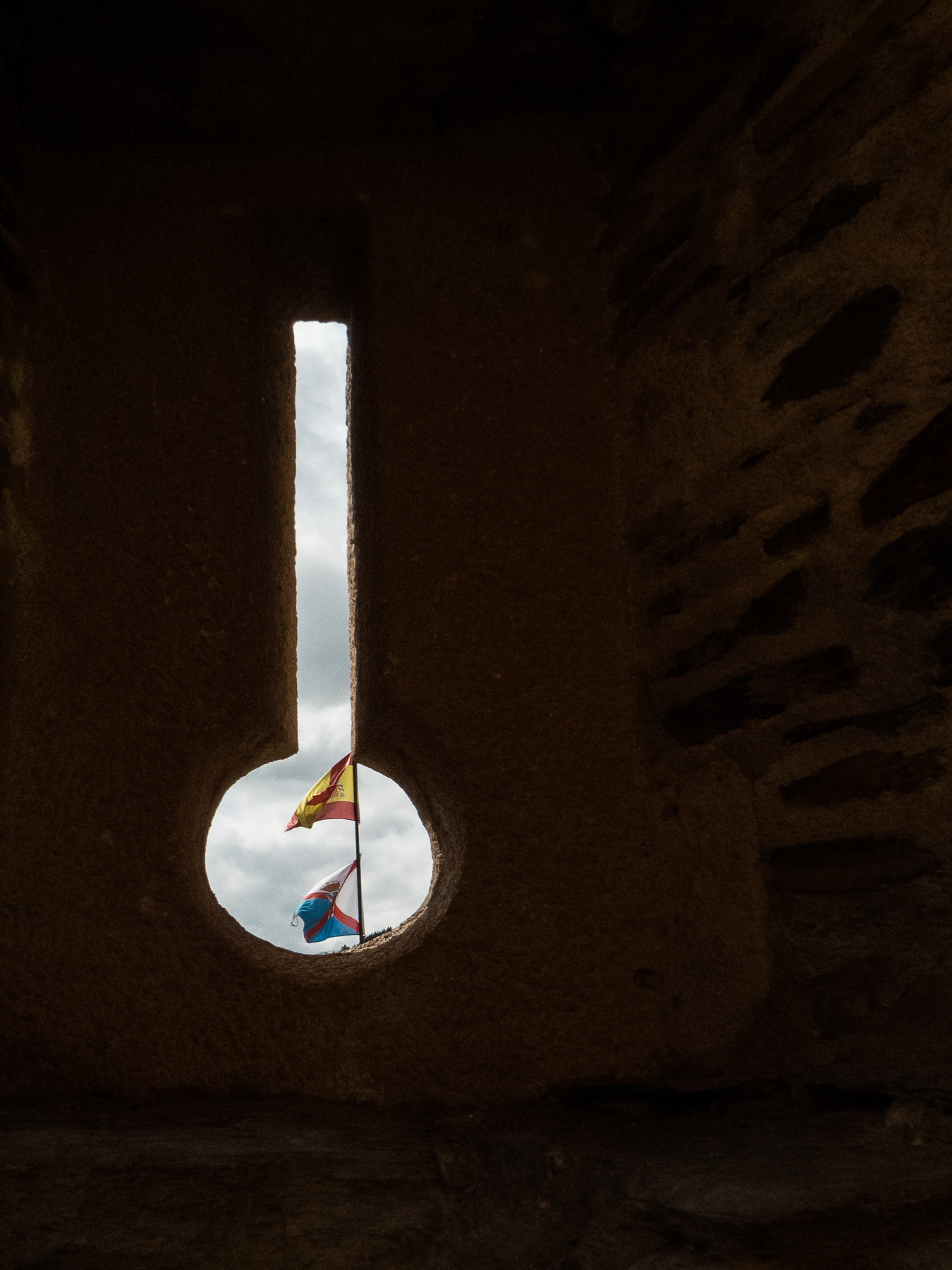
camino-1030419 camino-1030434 camino-1030418

Camino de Santiago: Hospital de Orbigo to Astorga

September 24, 2016:  Camino Completion ~ third time’s a charm. Another dot is connected as we walk into Astorga, Spain.

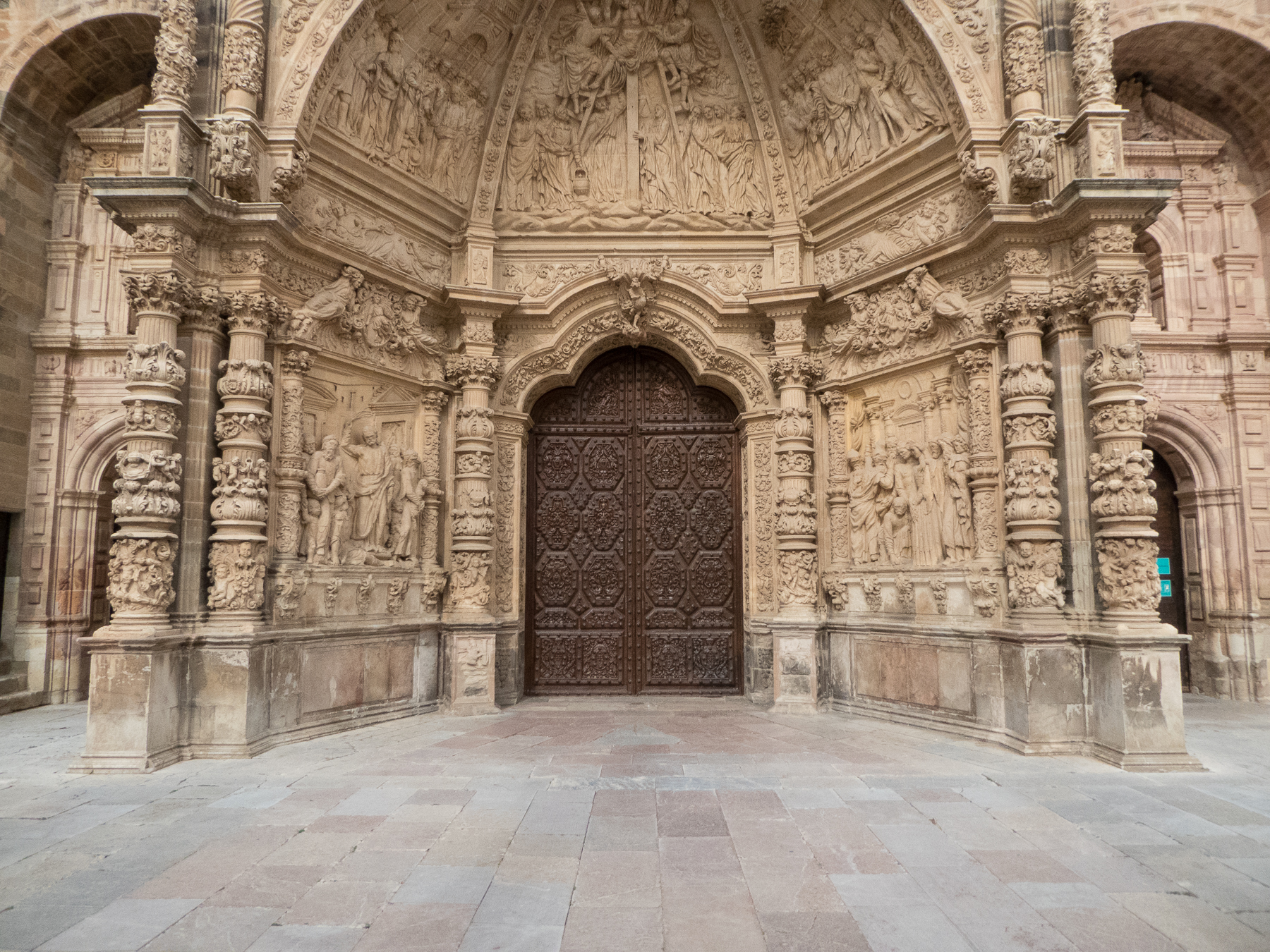
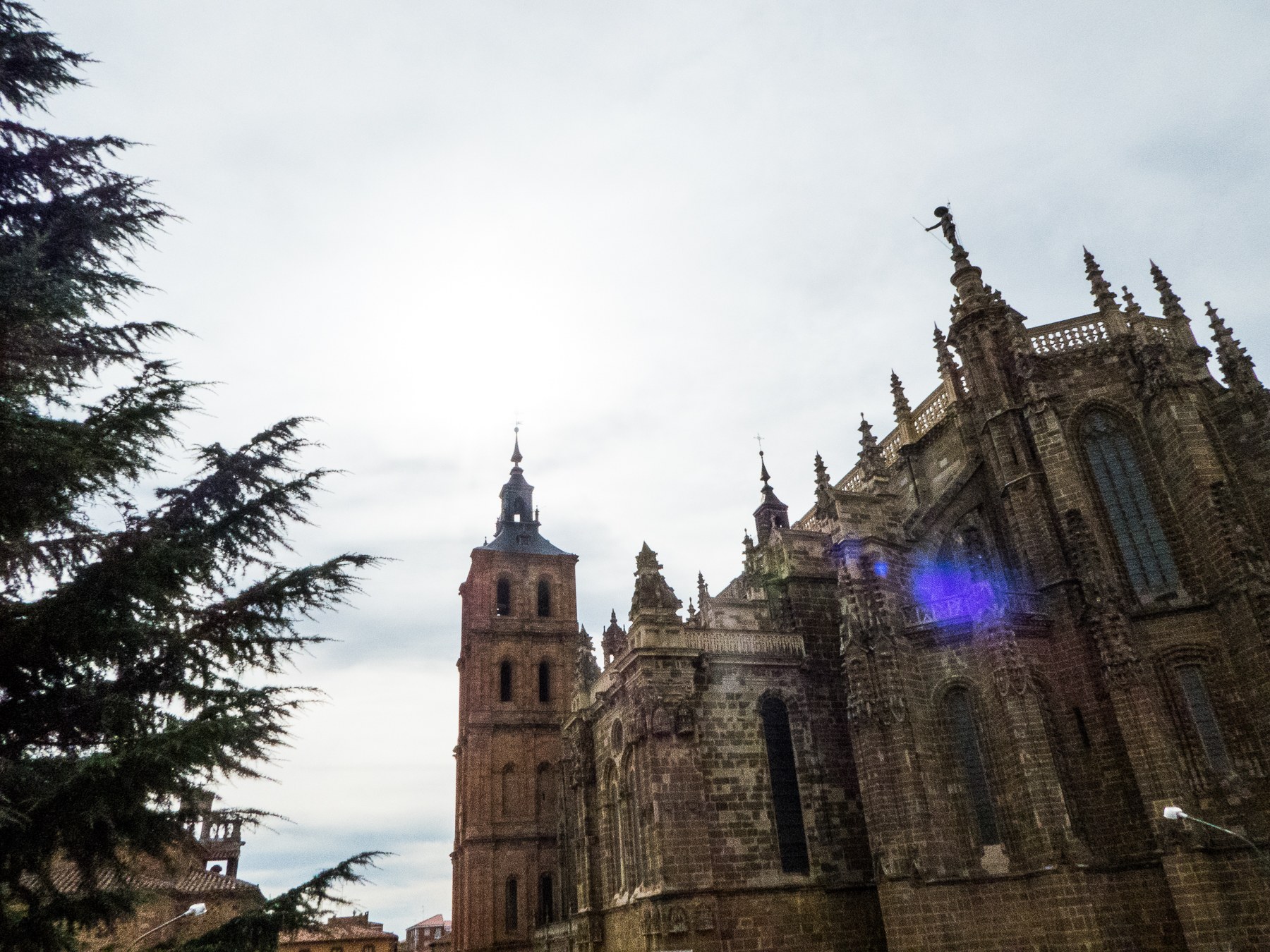
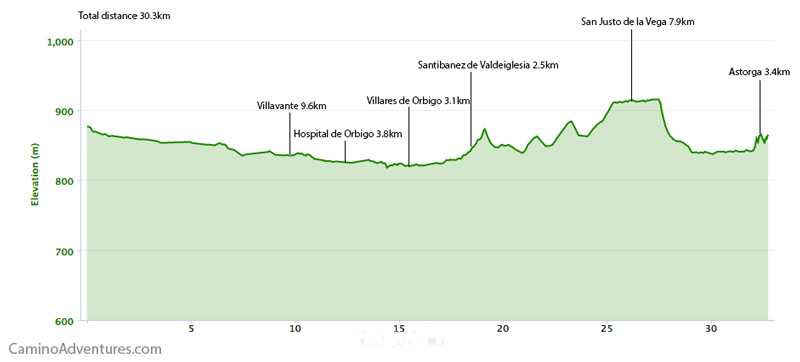
villar-de-mazarife-to-astorga-elevation-mapcamino-1030350Cruceiro Santo Toribio is a stone cross that commemorates the 5th century Bishop Toribio of Astorga who supposedly fell to his knees here in a final farewell having been banished from the town. Wonderful view of the city of Astorga with the mountains looming in the distance.camino-1030356This gentleman has welcome wagon duty today along with tending to the flowers and shrubs near the stone cross.camino-1030378Tonight we sleep in the loft of a very old building,  Albergue de Peregrinos San Javier located on a narrow street near the cathedral. 110 beds and we are up three levels in the top loft area. camino-1030384As you can see, we both get a front and center bottom bunk tonight  surrounded by our international roommates. Friendly conversations are a bonus to this situation and we experience absolutely no bedbugs. A full kitchen is on the bottom level of the building so we are able to cook our own meal tonight and converse with other pilgrims doing the same. Flashlights are close and ready for action in case we need to walk down the dark staircase during the night to a lower level to use the facilities. Watch to the end of the video on this blog post and you will take a walk with me from top to bottom of the albergue. I’m glad there wasn’t a fire during the night because we would surely have been toast.camino-1030400Inside these doors… Astorga’s cathedral was built between the 15th and 18th centuries and combines various styles including Gothic and Baroque.
camino-1030398The edifice was begun in 1471, within the same walls of its Romanesque predecessors from the 11th-13th centuries. Construction lasted until the 18th century which explains the inclusion of elements from later styles.  ~Wikipedia
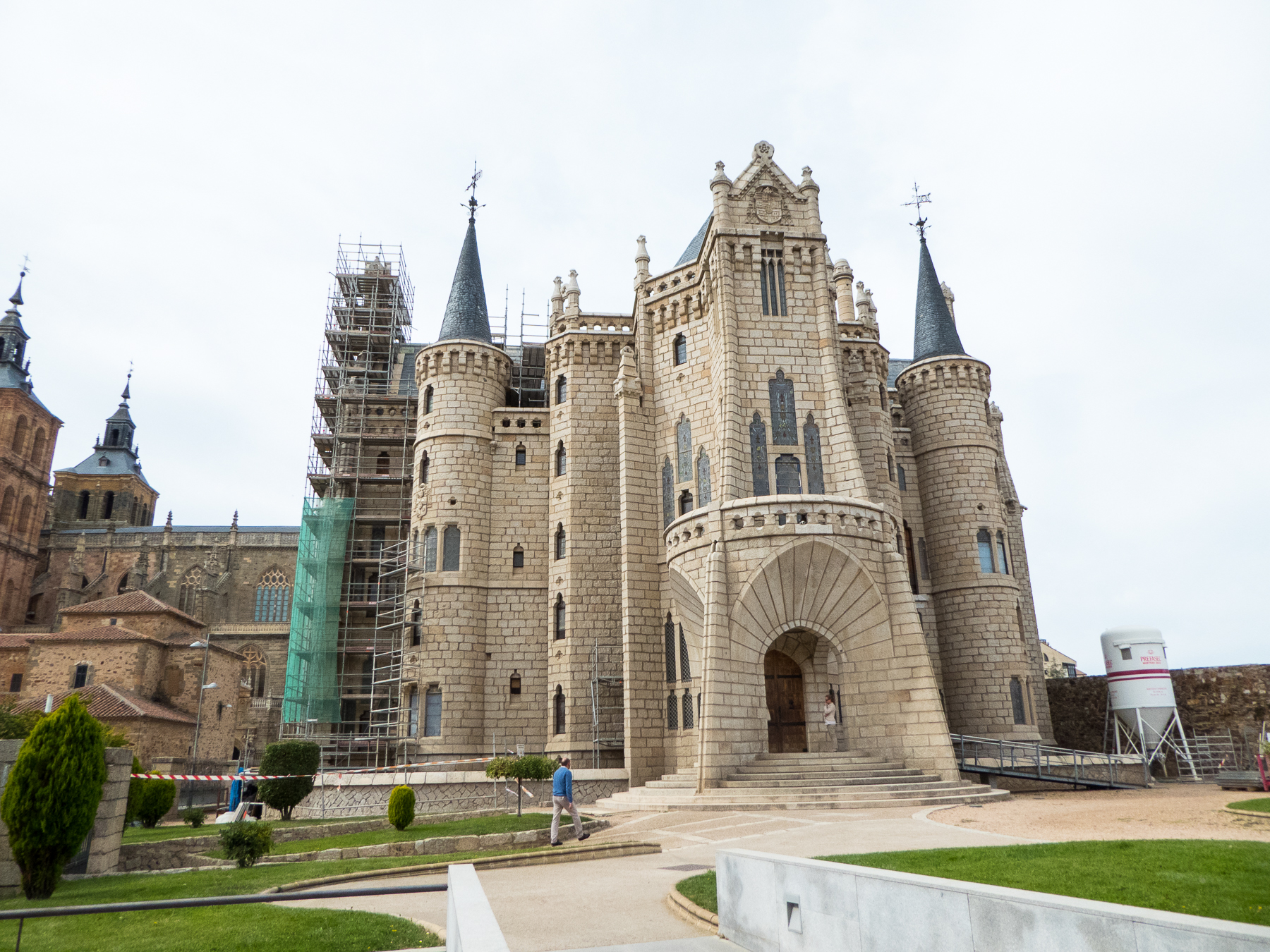
camino-1030388Is Harry Potter home? Opposite the cathedral is the Palcio Episcopal designed by Anton Gaudi for the bishop of the time who was a fellow Catalan. The palace’s bizarre appearance and enormous cost horrified the church and no future bishops ever lived in it. It is now home to the Museo de los Caminos, an excellent museum of the pilgrimage to Santiago. ~spainthisway.com 

We were not able to visit Museo Chocolate also located in Astorga, Spain. Here you can see a display of tools and objects that represent the history of chocolate production: instruments for roasting, refining and rolling, as well as pans, mortars, moulds and machines from the early 19th century.

Top three photo picks of the day:
camino-1030344 camino-1030393camino-1030337


Camino de Santiago: Leon to Virgen del Camino

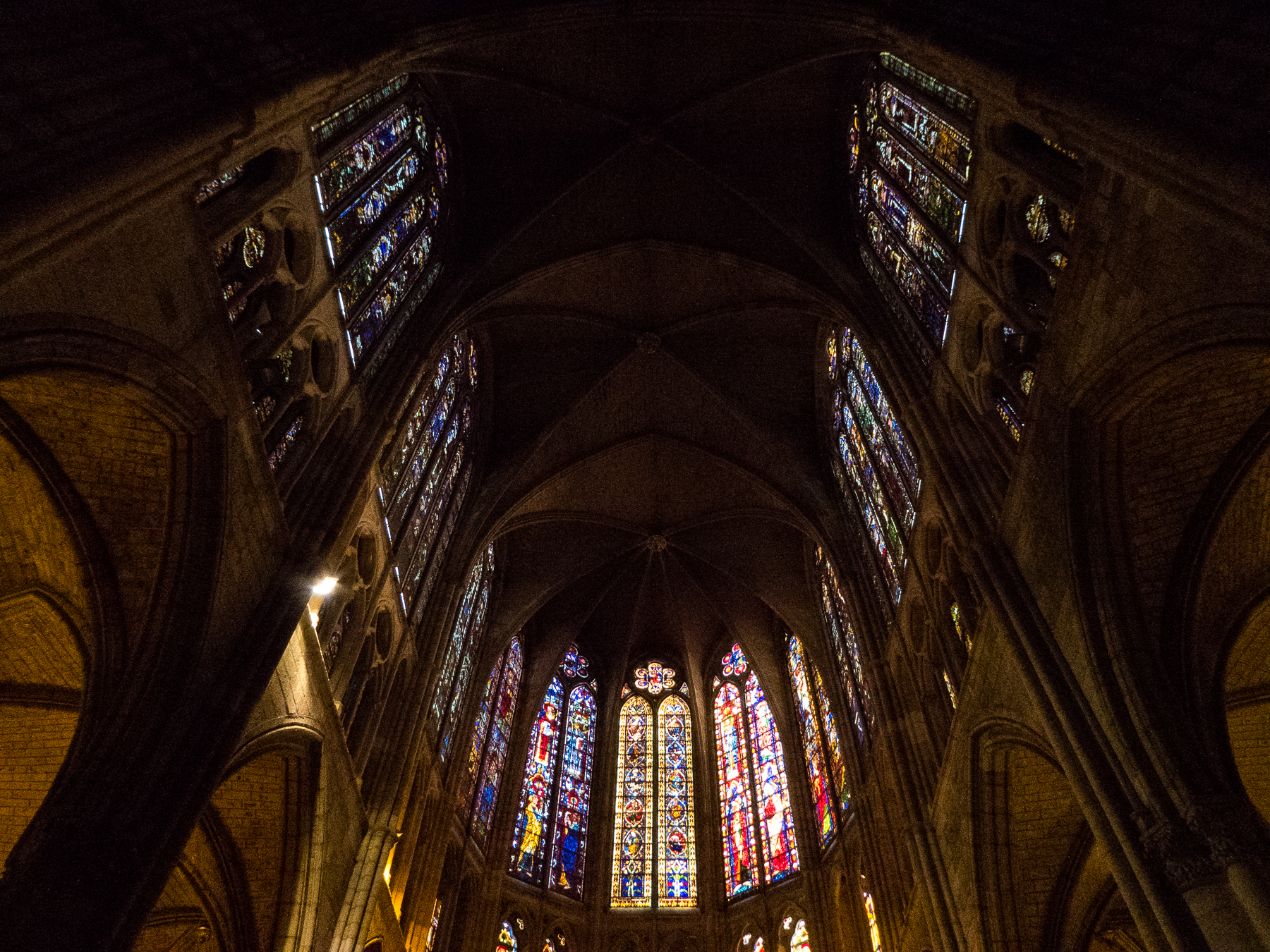
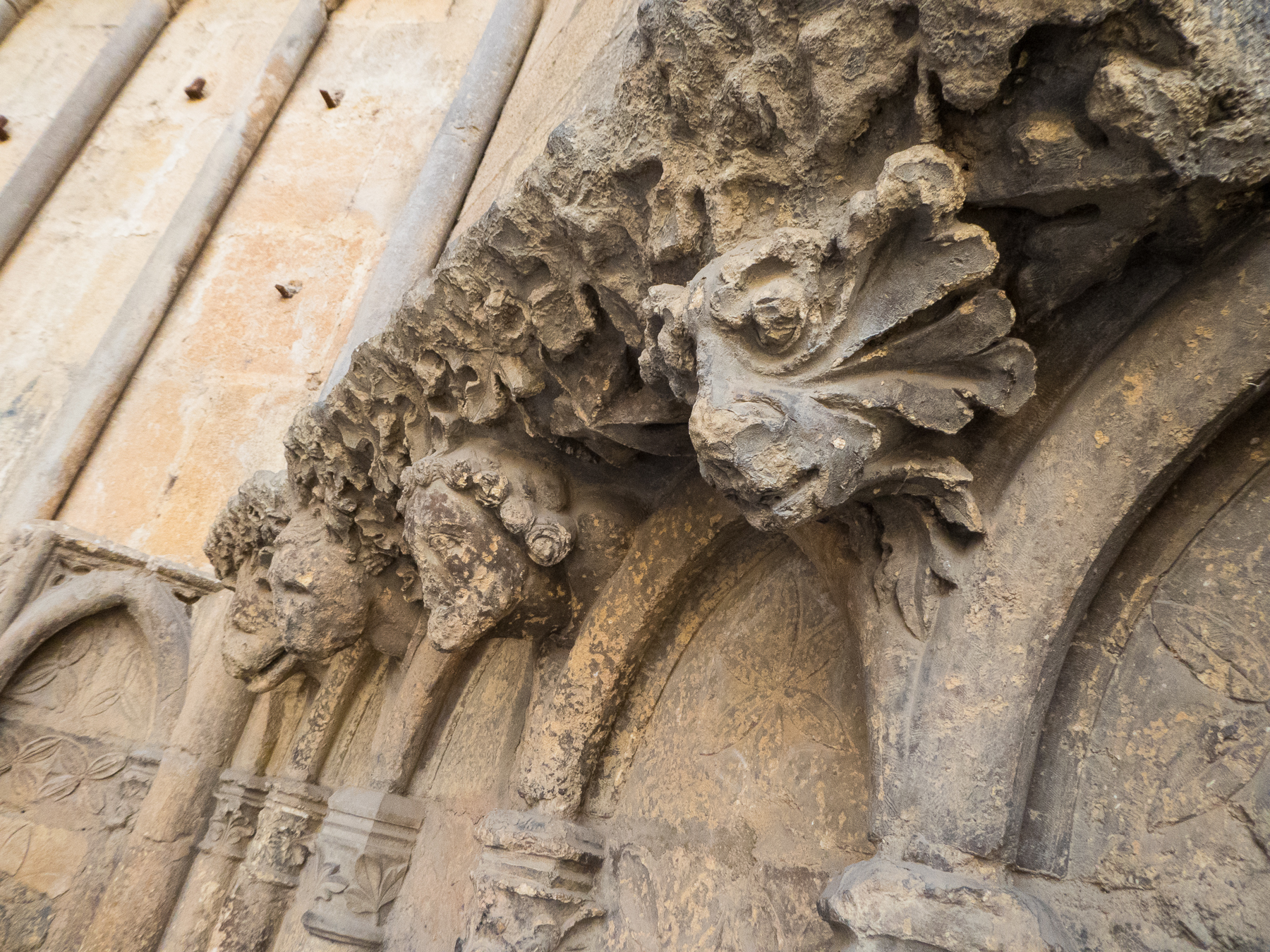
9-22-2016:  Breathtaking… remarkable… amazing…camino-1030150First ancient Roman baths, then a palace and finally León Cathedral, dedicated to Santa María de la Regla, which was declared of Cultural Interest in 1844. It is known as the Pulchra Leonina and is a masterpiece of the Gothic style of the mid-13th century. The design is attributed to the architect Enrique. By the late 16th century it was virtually completed. ~Wikipediacamino-1030169I found it fascinating that the stained glass on the north side of the tower features cool colors to represent the Old Testament; the south side’s stained glass uses warmer colors to show how Christ brought light to the New Testament. This design also takes into account the movement of the sun during the day. Now that took an architect with keen attention to detail…

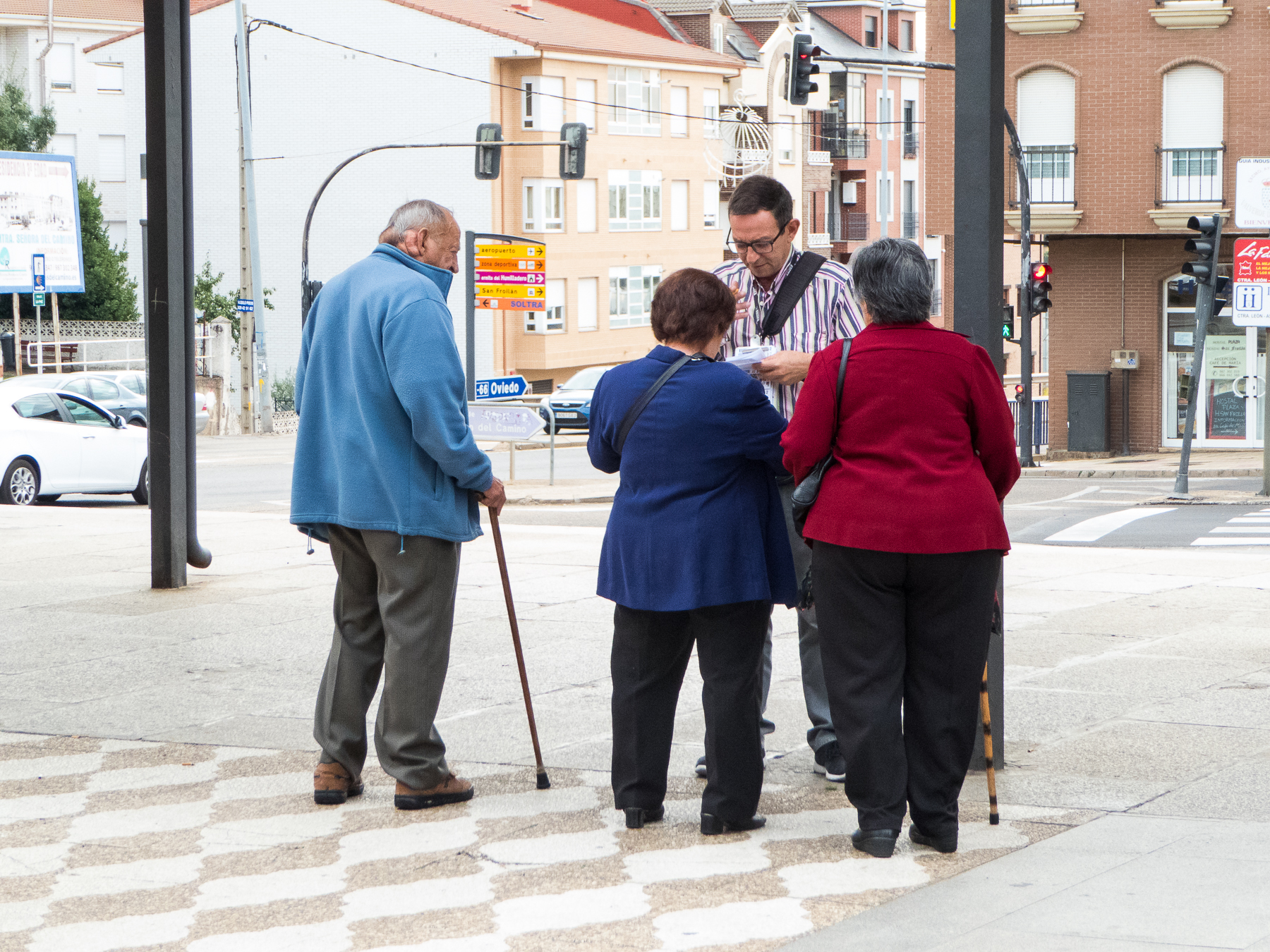
Before leaving the hostal, I check out Facebook and notice an American Pilgrims on the Camino Facebook friend is staying at the famous luxury hotel called the Parador.  Thinking I’m clever, I leave a comment that I will wave at him as I walk by in about an hour.

Around noon we leave the historic center of Leon with a 7 kilometer hike to Virgen del Camino as our destination.

Short video from our short journey today.

Approaching this magnificent building, we speculate that it must be a museum. I sit on a bench to tie my boot.  Hmmm… this can’t be the Parador…
camino-1030203Backpacks and hiking poles are dead giveaways that we are pilgrims. A gentleman approaches us and we begin to visit. Little did I know, but this was the same Facebook friend I was planning to wave to as I walk by. Small world.  He confirms that this is, indeed, The Parador. This five star Parador was originally a monastery founded in the twelfth century to provide lodging for the pilgrims travelling to Santiago de Compostela in Galicia. It later became the headquarters of the Order of Saint James whose soldiers provided protection for the pilgrims. ~www.paradores-spain.com

Our conversation expands to include a wonderful young man traveling in a camper van throughout Europe with his wife and dog. I’m thinking that is a great plan as you’d always have a place to sleep.

camino-1030214As we approach our hostel for the night, the neighborhood is looking  dodgy.

No key issued to us for the front door of Hostal Sota and we are only allowed in by the lone hostal employee. In fact, we may be about the only people staying here.  Nice lounge area in the basement and our activities are constantly monitored. 

Why does the song “Hotel California” keep playing through my mind?

Top three photo picks of the day:
camino-1030228Lottery ticket sales appear to be going well before mass outside the Catholic church.

camino-1030195 camino-1030223


Camino de Santiago: Reliegos to Leon

September 21, 2016:

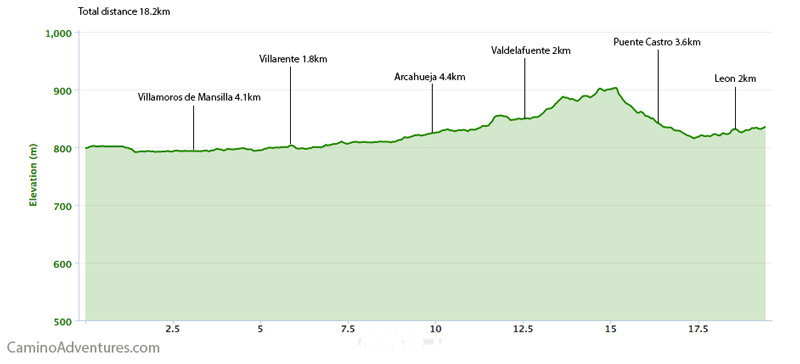
Why does it seem to take so long to get to the historic part of Leon? A population of 130,000 may have something to do with it as well as getting off the Camino path. Where are those yellow arrows?

mansilla-de-las-mulas-to-leon-elevation-map

We fumble our way to the cathedral and are happy to find beds for tonight close to the cathedral.

Leon was a Roman military garrison and base for its VIIth Legion, hence the name derived from Legion. Later it became the capital of the old kingdoms of Asturias and Leon conquered and re-conquered by Visigoth, Moor and finally Christian forces.  ~John Brierly Guide

The Latin name (Legio) converged with the word for lion (leo) over the centuries as Latin grew up and became Spanish, ending with the city name of Leon.  ~A Texan in Spaincamino-1030144eThanks to Blair from Australia/Ireland we are made aware of a significant building in the historic city center. Above you see a Neo-Gothic style building designed at the turn of the century by famous Spanish architect, Antoni Gaudi .

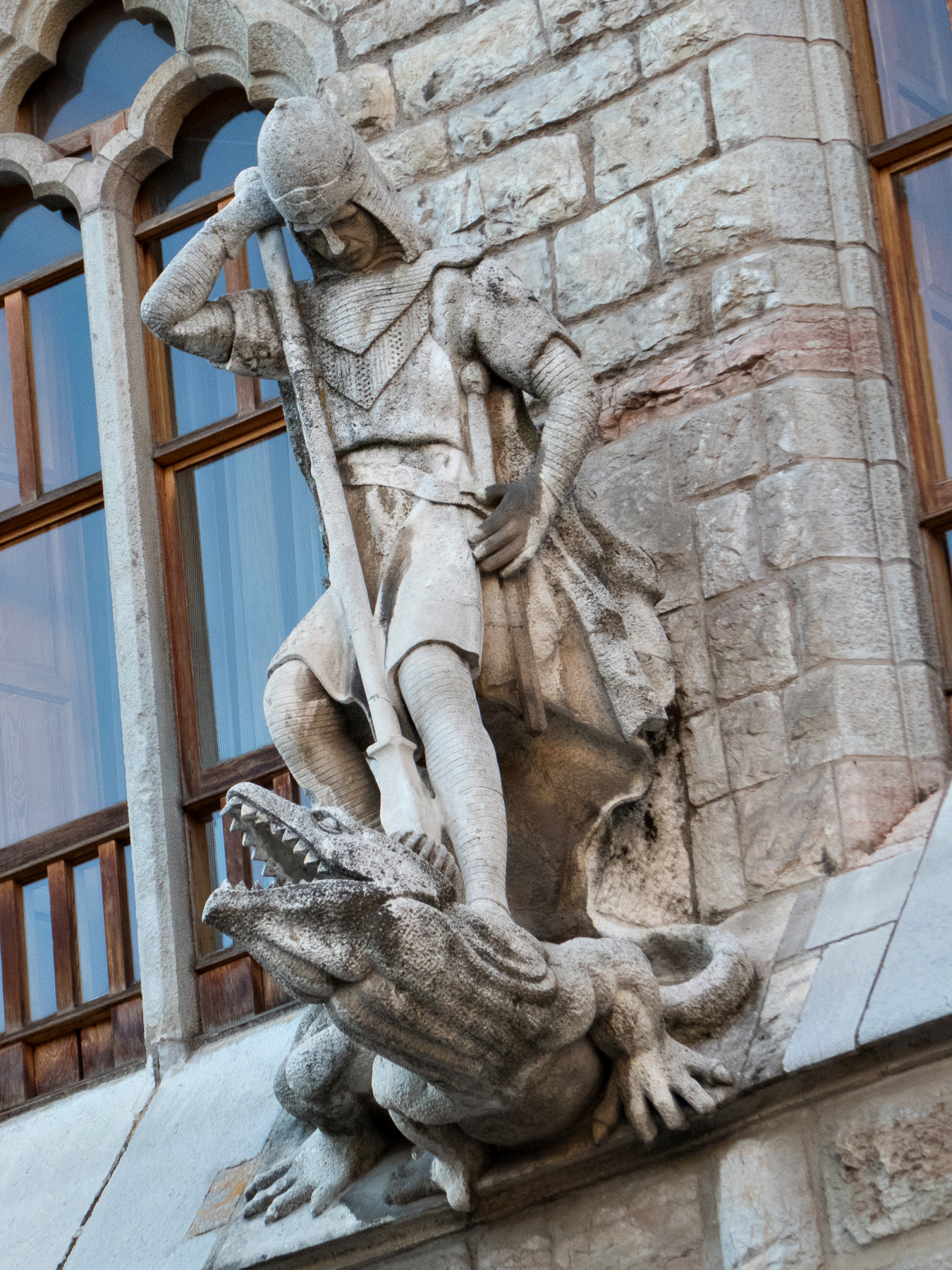
camino-1030147eLooking closer, we see a stone sculpture of Saint George as he is slaying a dragon above the principal entrance. During the restoration of the building in 1950, workers discovered a tube of lead under the sculpture containing the original plans signed by Gaudí and press clippings from the era. ~Wikipedia

Top three photo picks of the day:

camino-1030087e

camino-1030083ecamino-1030090e