
The earth has music for those who will listen ~ George Santayana

The earth has music for those who will listen ~ George Santayana


At any moment, your whole life can change…
A simple encounter, a rare connection, a random act. Life is full of these moments that change our destiny forever.


With the 2016 Minnesota State Fair opening today, August 25th, 4-H members that qualify for a state fair trip will be making their way to St. Paul during the next few days filled with anticipation for the “Super Bowl” of the 4-H world. Many hours of creative thinking, problem solving and work have gone into the vast array of projects presented at this level. Why would anyone go through all of that work?
4-H changes lives, helping youth to become confident, mature adults ready to succeed in today’s challenging world. Studies show that youth participating in 4-H do better in school, are more motivated to help others, feel safe to try new things, and develop lasting friendships. ~Cornell University Cooperative Extension
Sounds like a good deal…


“This world demands the qualities of youth: not a time of life but a state of mind, a temper of the will, a quality of imagination, a predominance of courage over timidity, of the appetite for adventure over the love of ease.”
— Robert F. Kennedy

Just a thought as I found this bee hunkered down working diligently on this thistle in full bloom. Man, I’m good at growing these kind of flowering weeds!


The Republican Convention is the biggest news today with a partial rerun of Michelle Obama’s 2008 speech by Melania Trump and the roll call being the highlight. Good thing since this means no major terrorist attack, dramatic social drama or violence trumping this event. Meanwhile, my highlight today involves beets. Yes, beets! In my 25 plus years of gardening, this is the first year I have successfully planted beet seeds that have resulted in a healthy looking crop.

Beets, botanically known as Beta vulgaris, are native to the Mediterranean. That means I can dream of a Mediterranean vacation as I peel off the dark, thick skin. Although the leaves have been eaten since before written history, the beet root was generally used medicinally and did not become a popular food until French chefs recognized their potential in the 1800’s. Yep, need to go to France and compare beet recipes. Beet powder is used as a coloring agent for many foods. Some frozen pizzas use beet powder to color the tomato sauce. ~Peggy Trowbridge Filippone
Must go to Italy to see if they use beet powder, too…or Chicago will do.
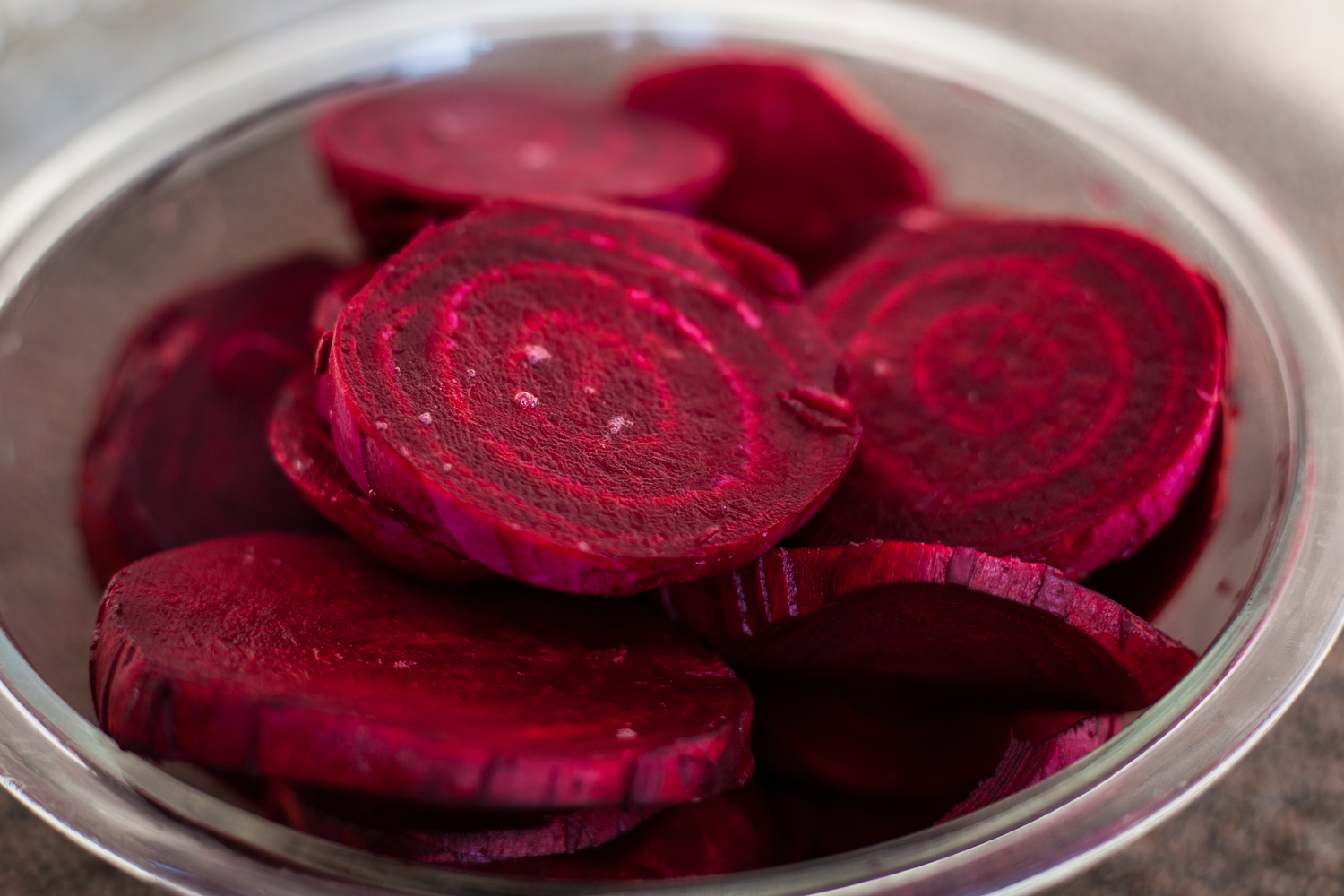
Danger looming! Beets are considered a wise food choice due to its many health benefits, but may have some side effects if you overindulged as noted by ALYSSA JUNG, author of the book “FOODS THAT HARM, FOODS THAT HEAL.” (Click the link for the complete article.) Food shortages in Europe following World War I caused great hardships, including cases of mangel-wurzel disease, as relief workers called it. It was symptomatic of eating only beets. Note to self… don’t just eat beets.
Blogging about beets may be pretty lame, but I choose to believe it’s a sign from the spirit of Prince… beautiful, delicious, Mediterranean inspired purple hued beets. Just maybe…

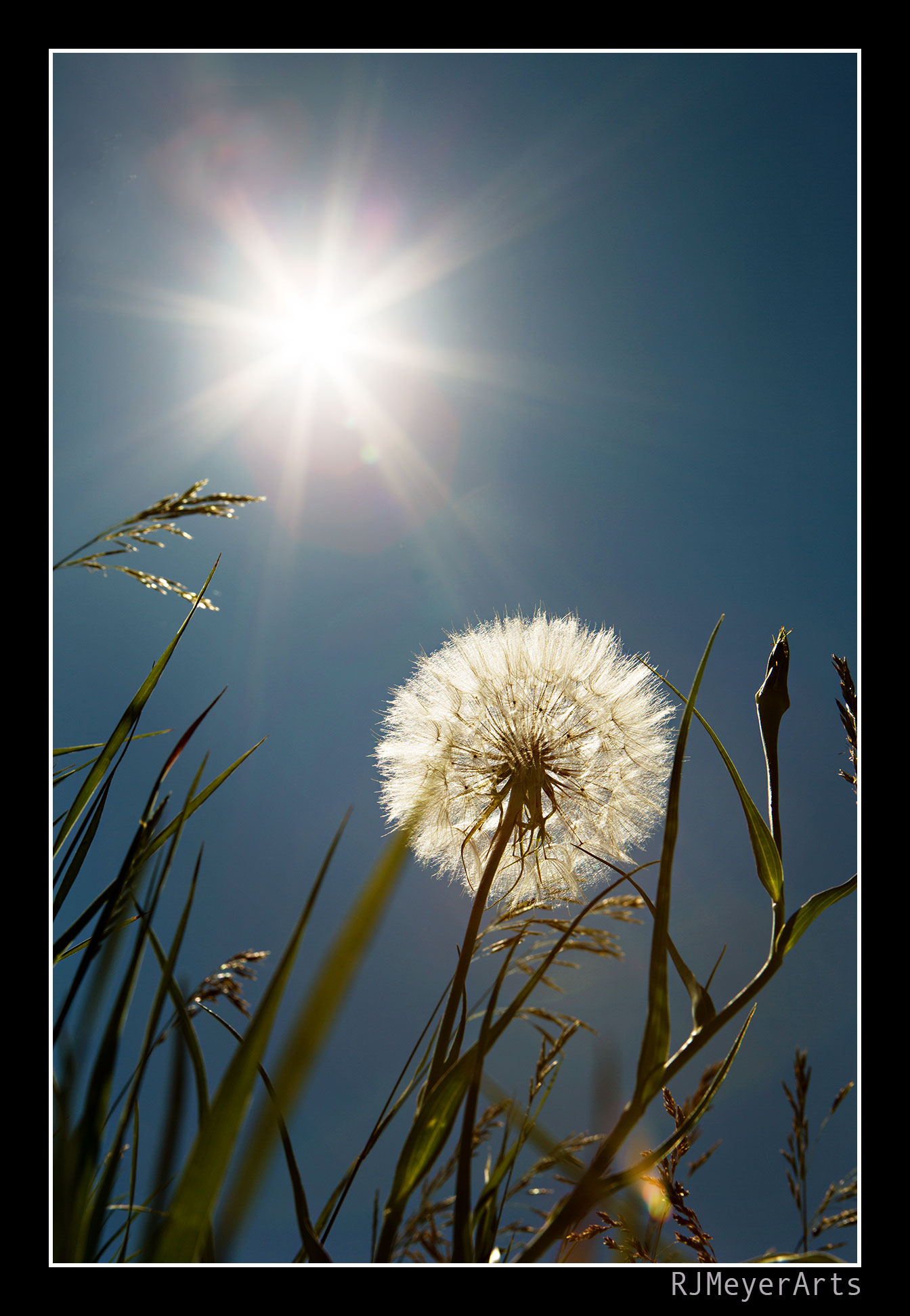
“We who live in quiet places have the opportunity to become acquainted with ourselves, to think our own thoughts and live our own lives in a way that is not possible for those keeping up with the crowd.”
― Laura Ingalls Wilder

Western Salsify (T. dubius Scop.) and Meadow Salsify (T. pratensis L.) are the most common species of this plant that looks like a giant dandelion. Western Salsify is native to Europe and Northern Africa and was brought to North America as a garden vegetable for its carrot like taproot and “oystery taste”. Since then it has spread to roadsides, old abandoned fields, no-till field, pastures and other undisturbed areas. ~ btny.purdue.edu

Eaten raw, the roots are very bitter; fried, roasted, or boiled, the taste of salsify roots have been compared to that of parsnips. Others say they slide down like oysters, hence its common moniker, oyster plant. Cream the roots in a soup or simmer young stalks in butter for a side dish rich in Vitamin B6. ~aspoonfulofthyme.blogspot.com
I’m O.K. with parsnips, but oysters? No thanks!!


 RJMeyerArts
