2016 Rigdon/Meyer Camino (Unfinished Business) blog post links are available in chronological order on one page. Several posts include a short video of the day and we are relieved that we aren’t still looking for Randy somewhere in France!
So, grab a cup of coffee or a glass of wine, click on the photo below and travel along with Randy, Joyce & Joan. ~Buen Camino!
Camino de Santiago 2016 – “Unfinished Business” starts in Zubiri, Spain.
For more of our escapades, including hiking the West Highland Way in Scotland, go to rjmeyerarts.com
When I first started hiking a number of years ago, a fellow hiker gave me some important advice, “Don’t forget to look back.” When I see a memorable view I capture it with a camera so that I can revisit this moment in time. If the view is mediocre I turn back and resume hiking along my merry way with camera packed. As a photographer I have found this advice helpful, but even more I find it applies to life.
We all know life isn’t always pretty and we may stumble and step in crap from time to time. Learn, move on, without dwelling on these unfortunate moments. Likewise, there may be some unattractive elements in an image, but look beyond and see the beauty…
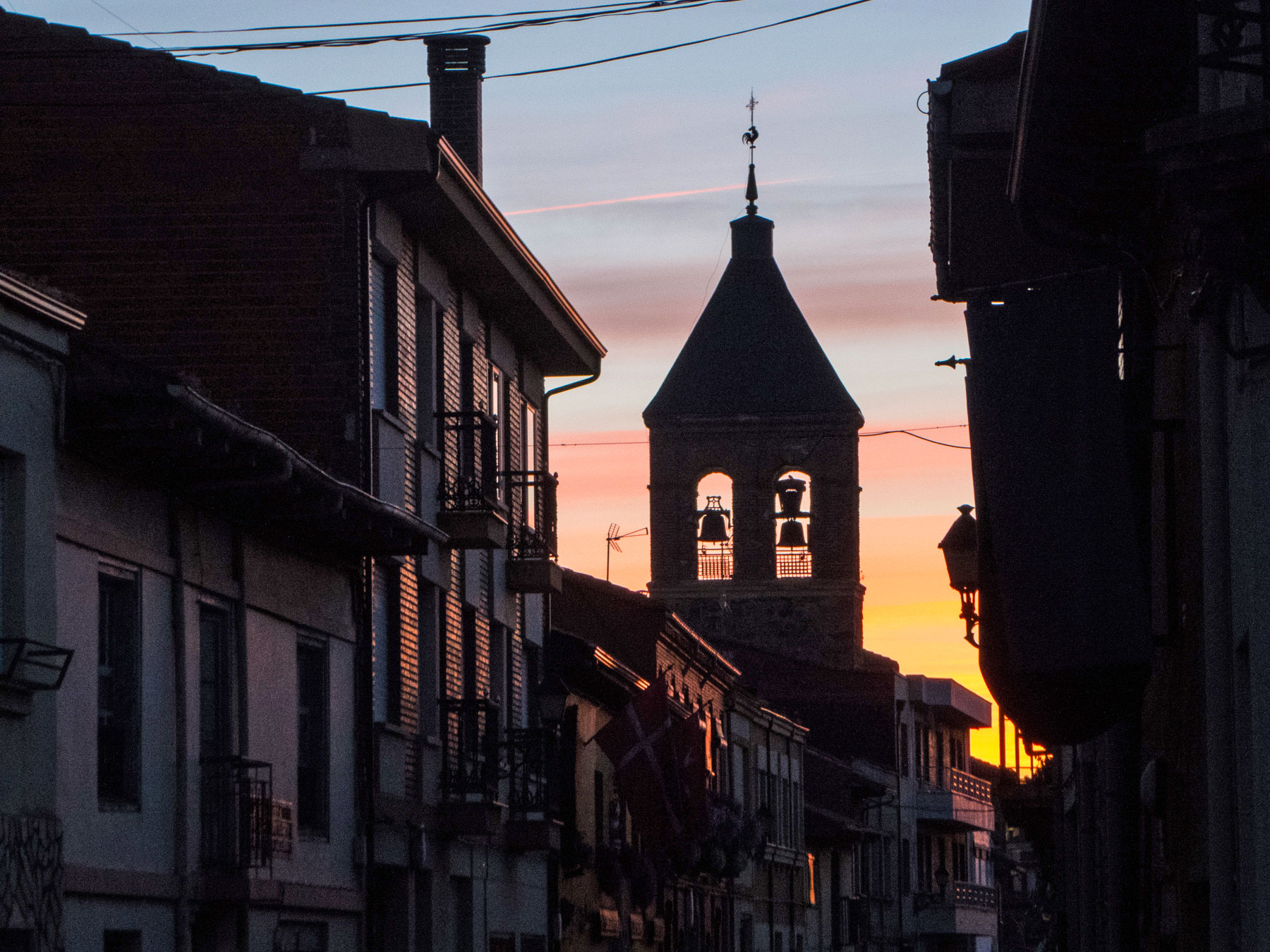
Looking back on Hospital de Orbigo, Spain. Image by Joyce Meyer
Image by Joyce MeyerImage by Joyce MeyerImage by Joyce Meyer
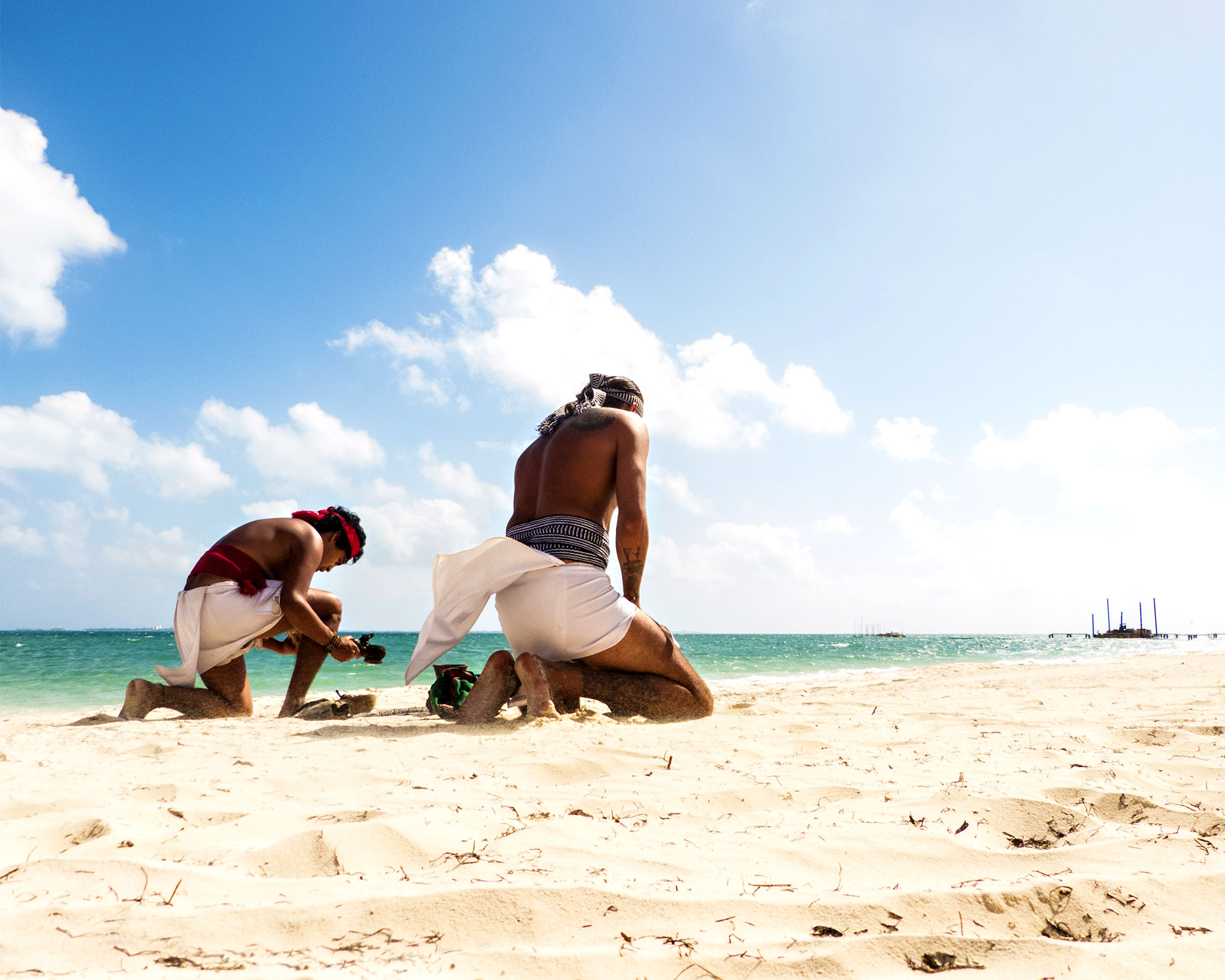
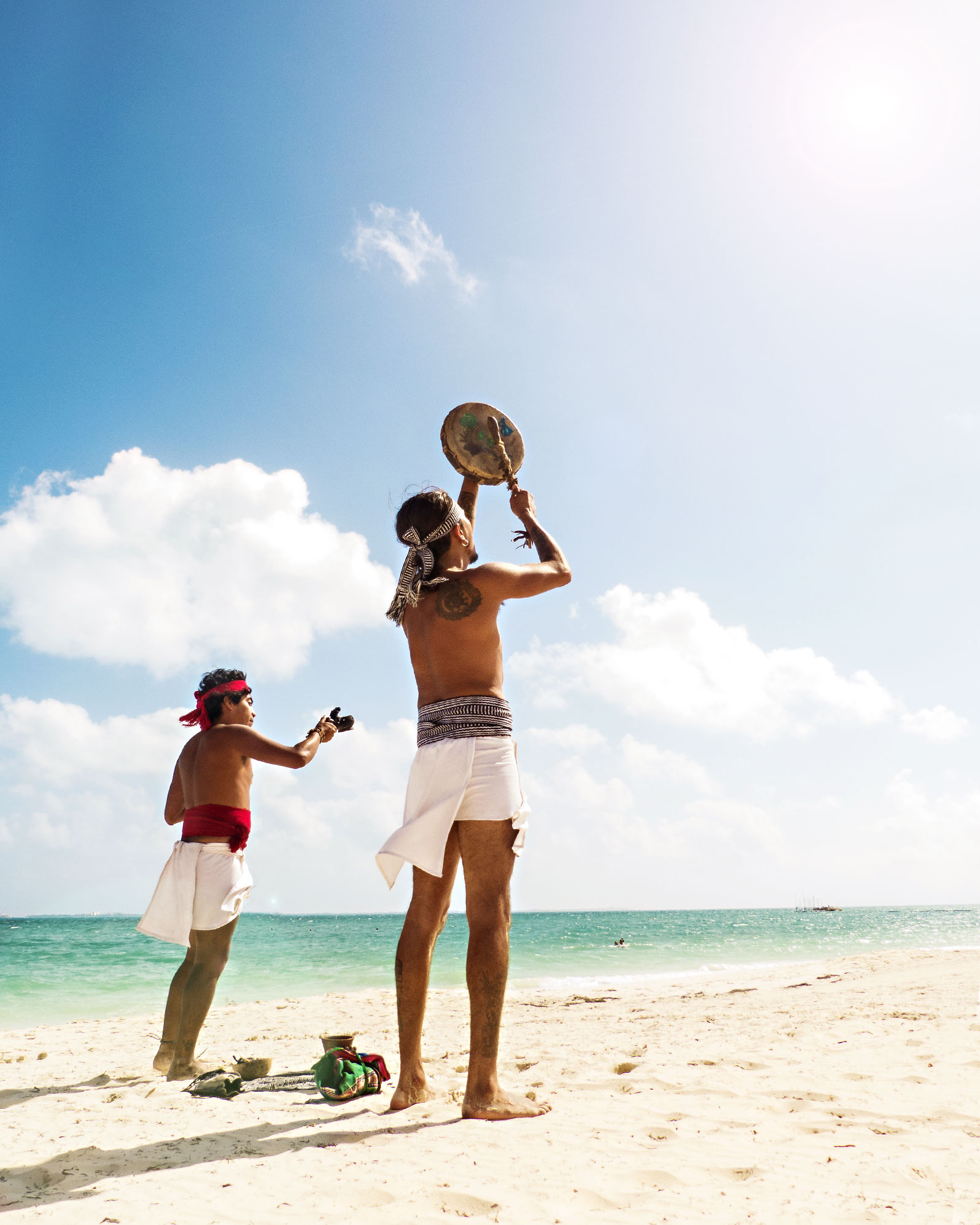
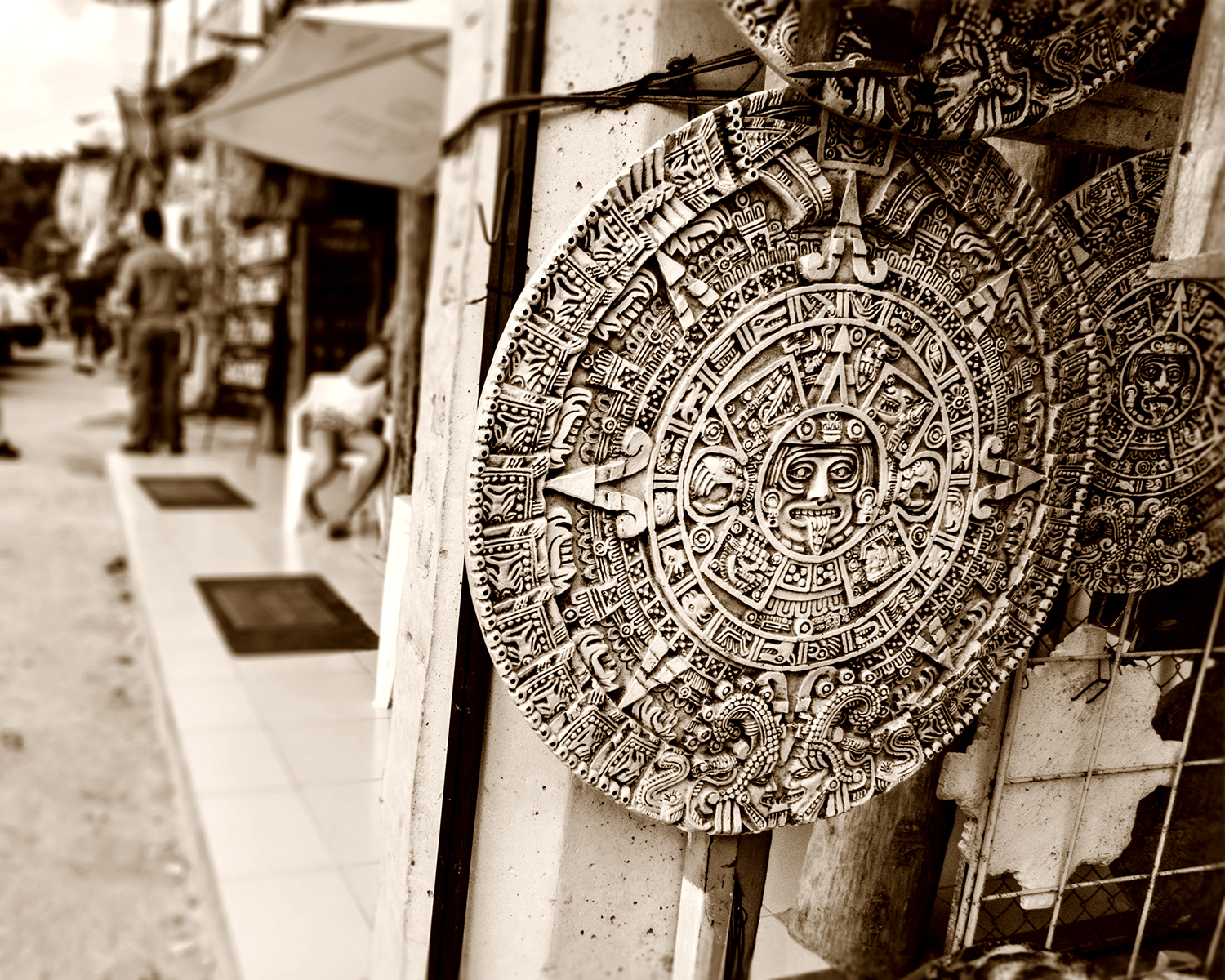
Upon reading the translation of the Mayan Prayer to the Seven Directions, I sense gratitude and hope. (Click on link for full prayer)*Excerpts from the prayer: May wisdom be transformed into right action… bless us with harmonies to end all war… all hail the harmony of mind and nature. I may have a different belief system and pray to a different God than the Ancient Mayans, but I also find their prayer timeless in an earthly sense. Peace out.
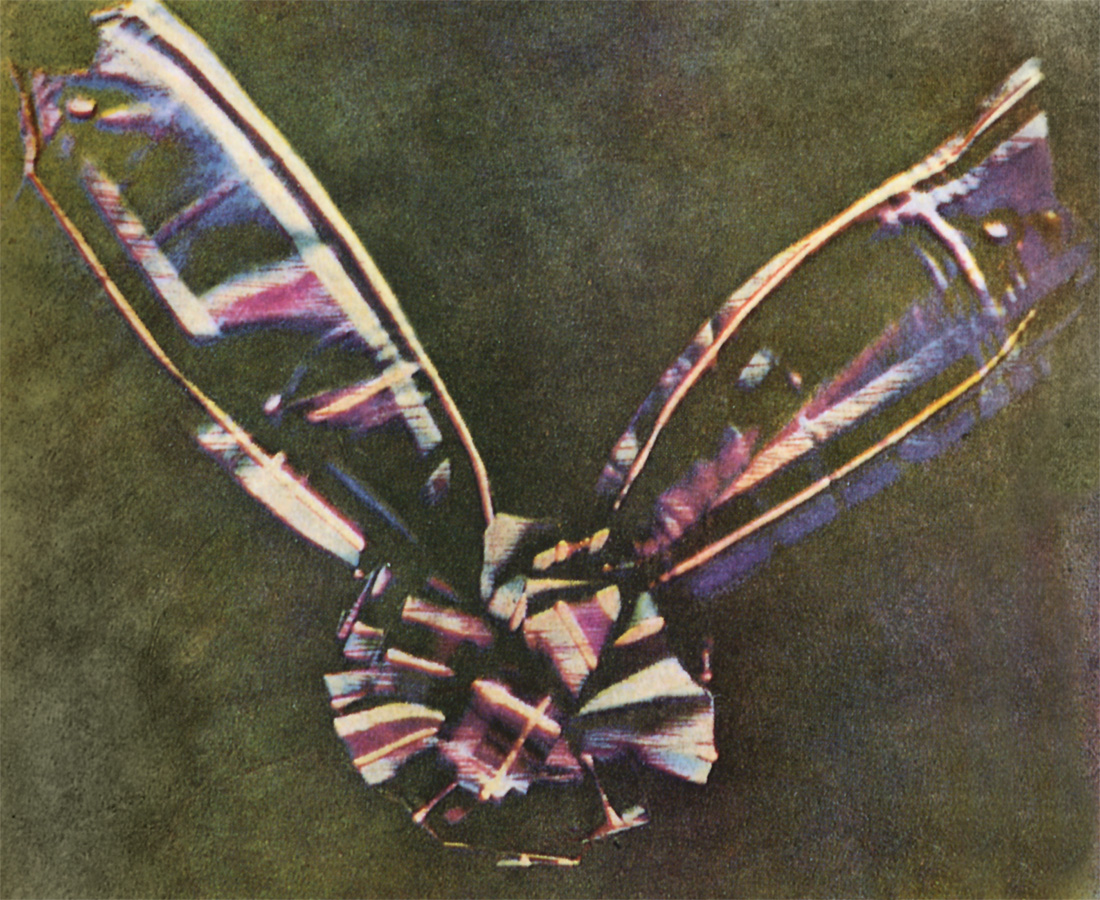
A little throw-back to the early days of color photography. Little did I know that there would be a Scottish person involved.
Tartan_Ribbon-2 The first color photograph that did not fade or require hand painting was taken by a Scottish mathematical physicist, James Clerk Maxwell. A picture of a tartan ribbon was created by photographing it three times through red, blue, and yellow filters, then recombining the images into one color composite. Maxwell’s three-color method was intended to mimic the way the eye processes color, based on theories he had elaborated in an 1855 paper.
Having worked with medium format black & white darkroom images and compositing multiple images manually in camera, I think I understand the process. What I don’t understand is how he ever came up with the theories and idea to mimic the way the eye processes color.
Go, Scotland!!
~National Geographic / more info can be found at this link:open culture.com
Imagine walking the same jungle paths as ancient Mayans living between 300 to 900 A.D.
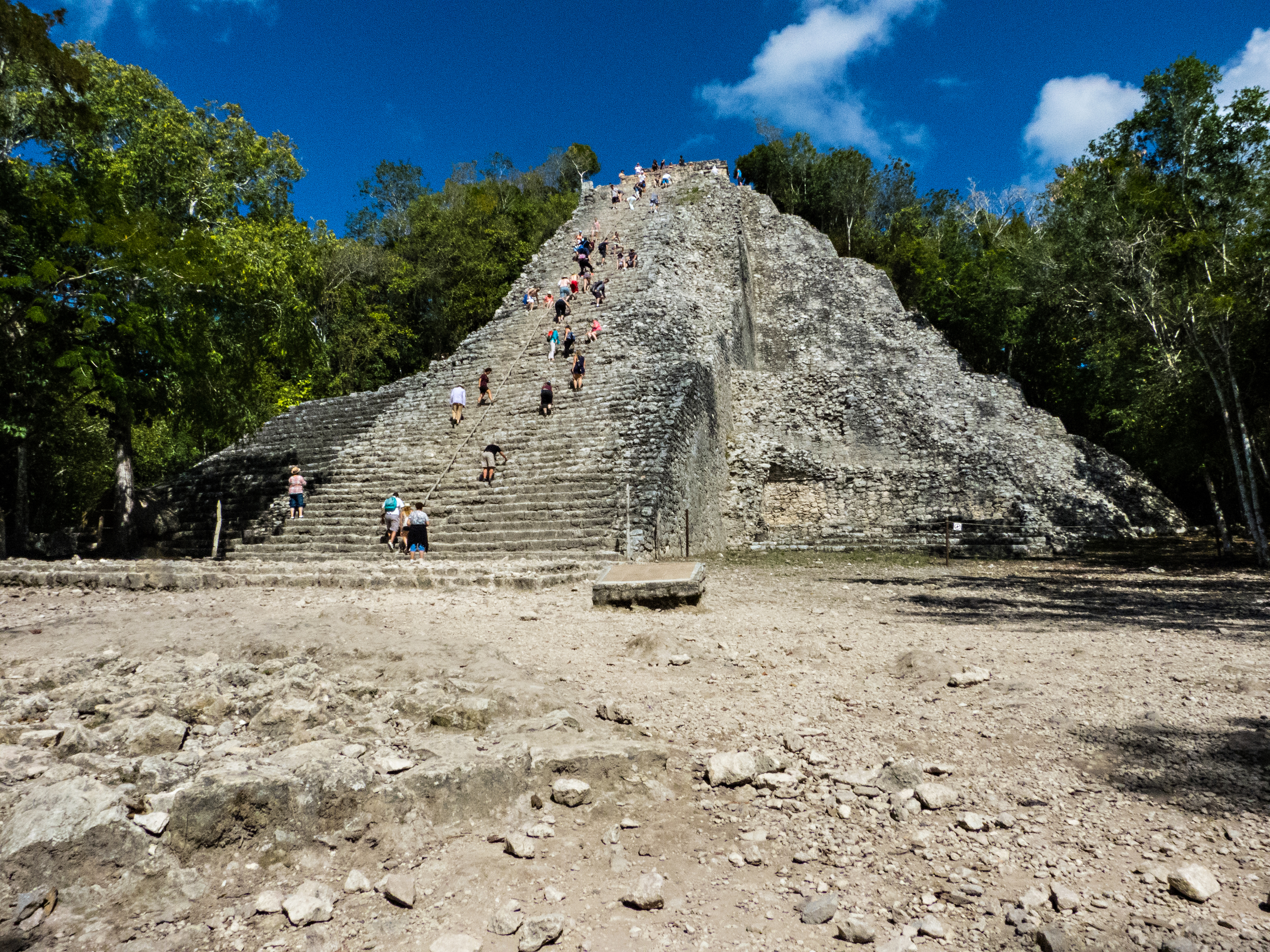
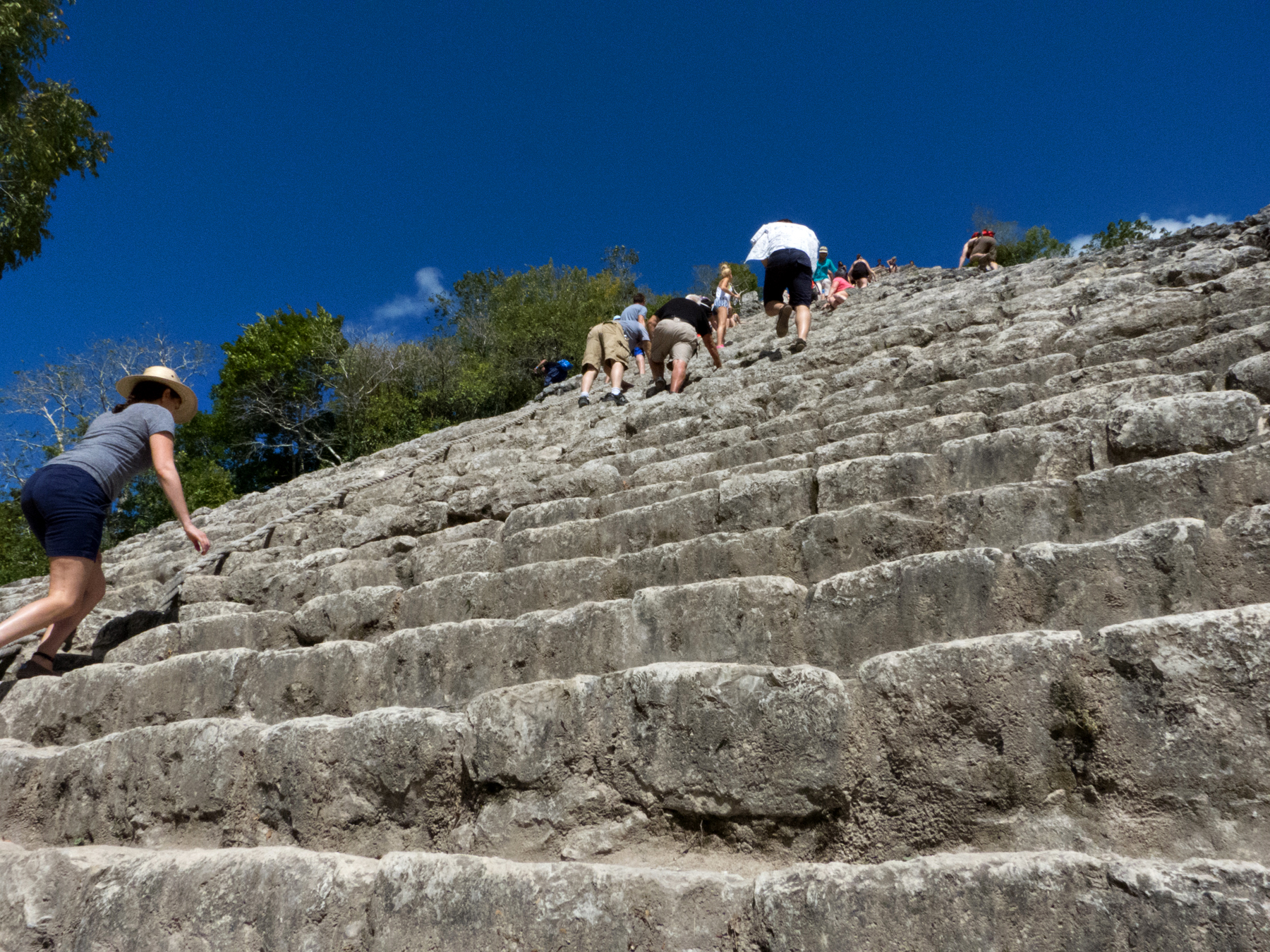
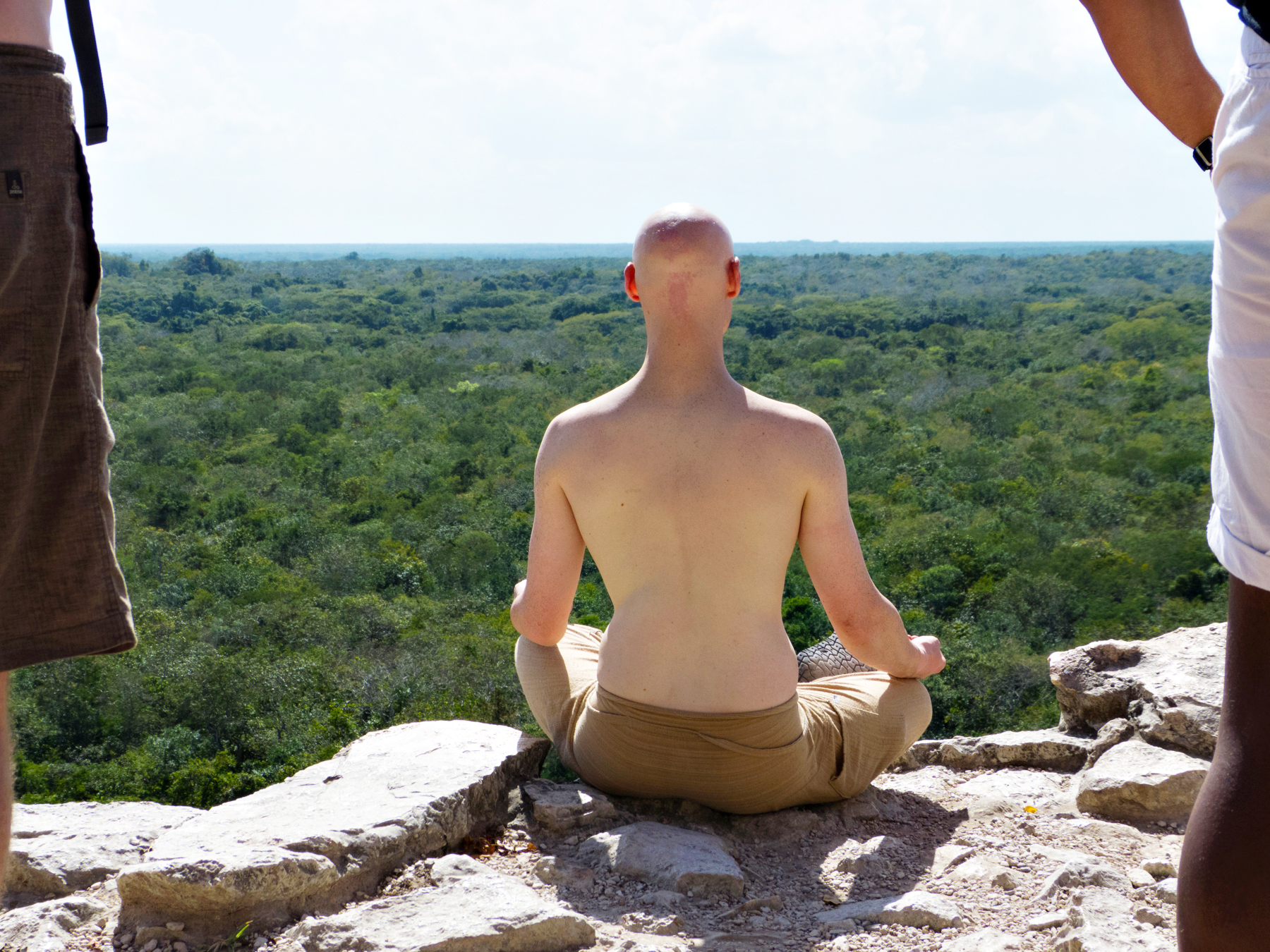
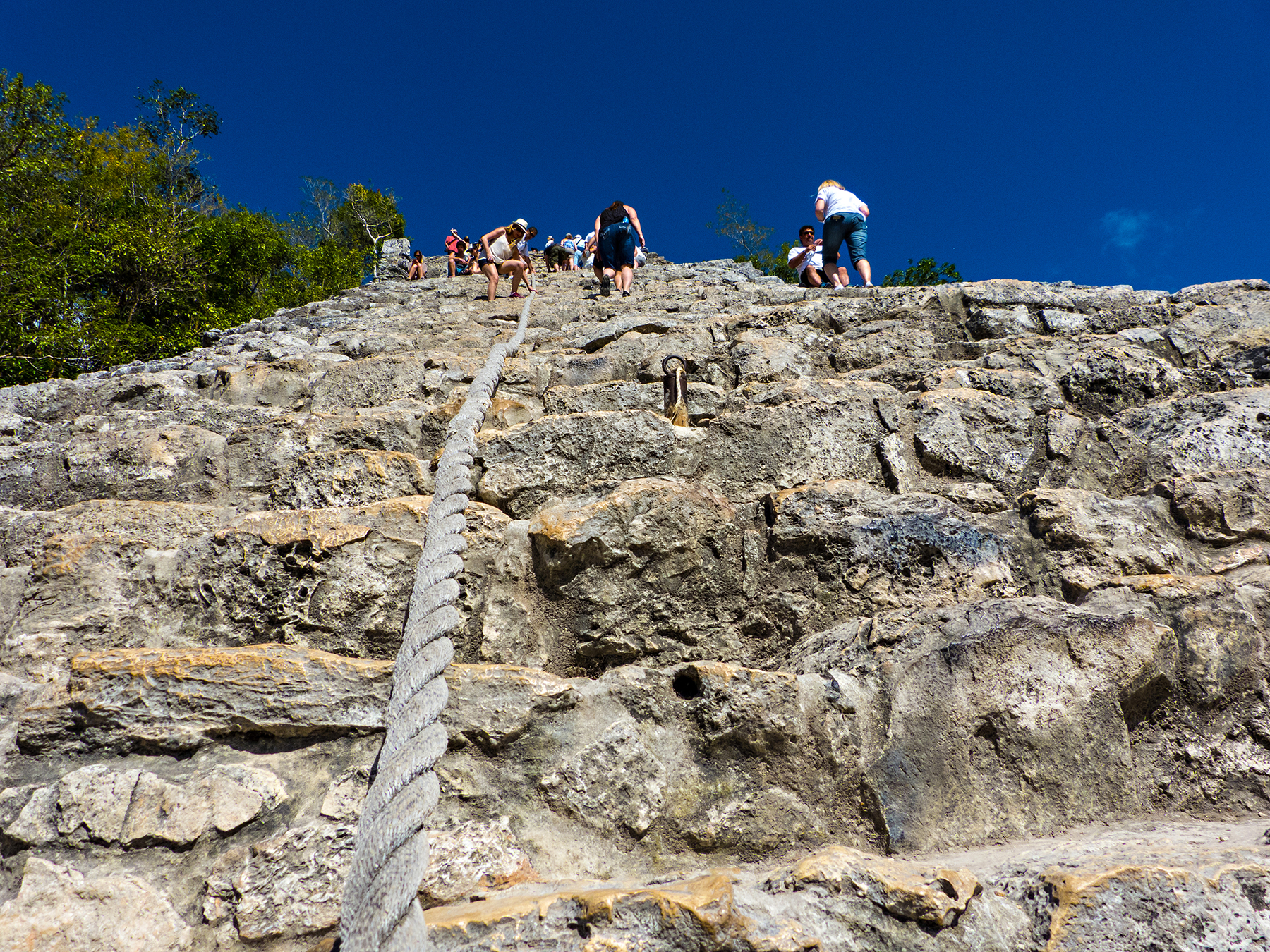
Archeologists have estimated that 6,000 structures exist here at Coba, but only three settlements are for public viewing. Coba is not a single site, but a large group of sites connected to the central pyramid, connected by over 16 Mayan ceremonial “white roads.”Don’t feel like walking? Take a Mayan Limo, which isa chauffeured tricycle, or rent a bicycle. Plan on 2 1/2 hours if you walk or 1 1/2 hours if opting for wheels.The largest pyramid at Coba is called Ixmoja, part of the Nohoch Mul group of buildings. Unlike other Mayan ruins, you can still climb this one. I’m not fond of heights and this pyramid is 42 meters (138 feet) tall, but I need to do this so I have no regrets.From the top the lush jungle looks like a green wilderness of wonder, but this gentleman meditating probably has his eyes shut. Good thing, since he is right at the edge. Not me!!This thick rope is my best friend as I inch my way down the 120 stone steps of the pyramid finding the descent much more difficult than the ascent. We were part of a van tour group, which restricts the amount of time allowed. If I did it again, I’d look into another transportation option to allow more time at the ruin site. Or, maybe I need more friends along so we could put together our own DIY tour. Hmmm… As usual, souvenir shops are situated by the entrance/exit gate.…and dogs wander the streets.
For more information about exploring Riviera Maya destinations check out locogringo.com.
September 26, 2016: Down we go… Joan was missing this section of the Camino from El Acebo to Ponferrada, so descending down this mountain path was necessary to finalize the journey.
After a taxi ride speeding up the dark, winding mountain road, the driver drops us off at El Acebo and at first we are amazed at the changes in this charming village. A huge, new albergue greets us complete with swimming pool, restaurant and a deck overlooking the valley below. Where is the quaint little village we remember so well?
We wait for daylight, slowly making our way down the mountain and I now remember why I love this stage of the camino. The scenery is becoming greener and the mountains provide layers of beauty which makes it difficult to believe this is our last day of hiking. Seems like we should keep going. We arrive back in Ponferrada later that day and go in search of an establishment willing to provide us with a celebratory meal even though it’s much earlier than the usual Spanish meal time.Thankfully, family owned El Portiel Meson adjusted their schedule just for us and cleaned out their refrigerator to provide a hearty meal complete with wine and a complimentary after dinner liquor. Thank you from the bottom of our hearts!
I will confess that I am a camino addict and a large part of me doesn’t want the journey to end. I love the simple life… get up, put the backpack on and start walking (To my first cup of coffee). But that isn’t real life, is it?
I’ve been choosing my top three picks for photos from each day of this camino and to wrap things up I’m also choosing three words I hope will provide meaning and impact in my daily life.
Top three photos and top three words to bring it home:
1) Acceptance ~ It is what it is.2) Endurance ~ Personal growth from experiences no matter how difficult.3) Appreciation ~ Live in the moment and enjoy the journey…no matter how long it takes.
Camino de Santiago March 2013Camino de Santiago August 2014Camino de Santiago September 2016
Third time’s a charm…Thank you to my sister, Joan, for all of the planning along with her meticulously designed spreadsheets, and especially for including me in these adventures.
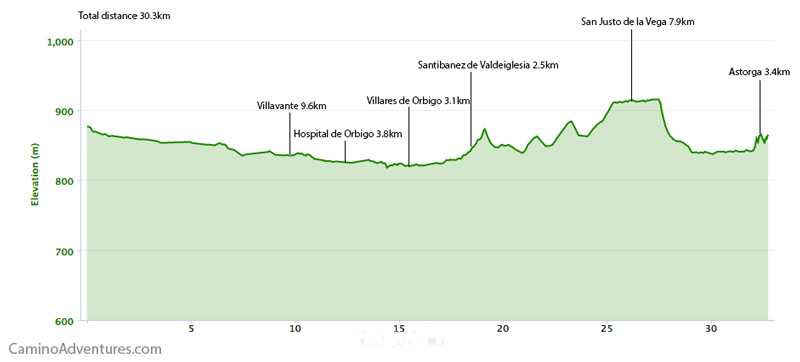
September 24, 2016: Camino Completion ~ third time’s a charm. Another dot is connected as we walk into Astorga, Spain.
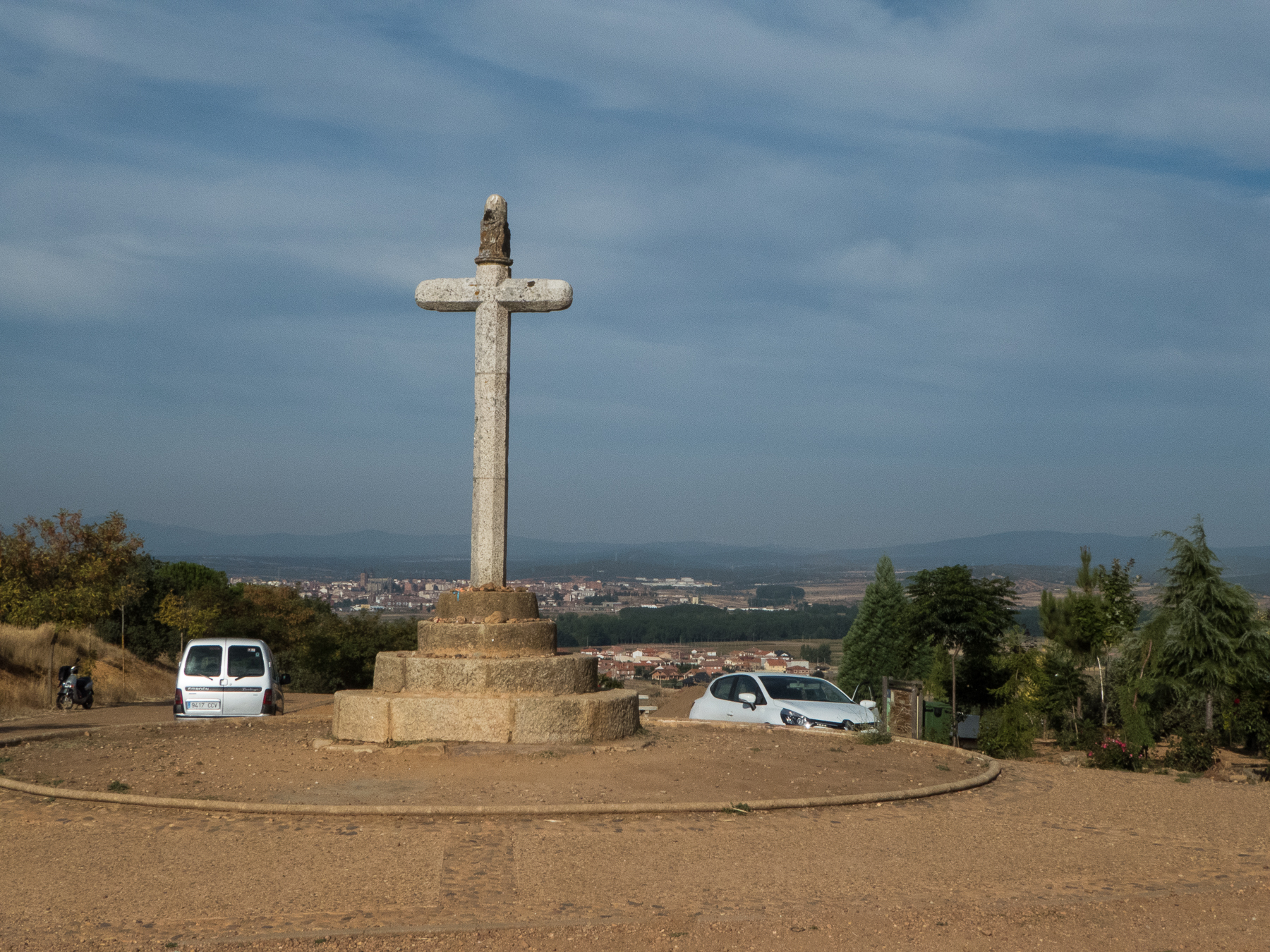
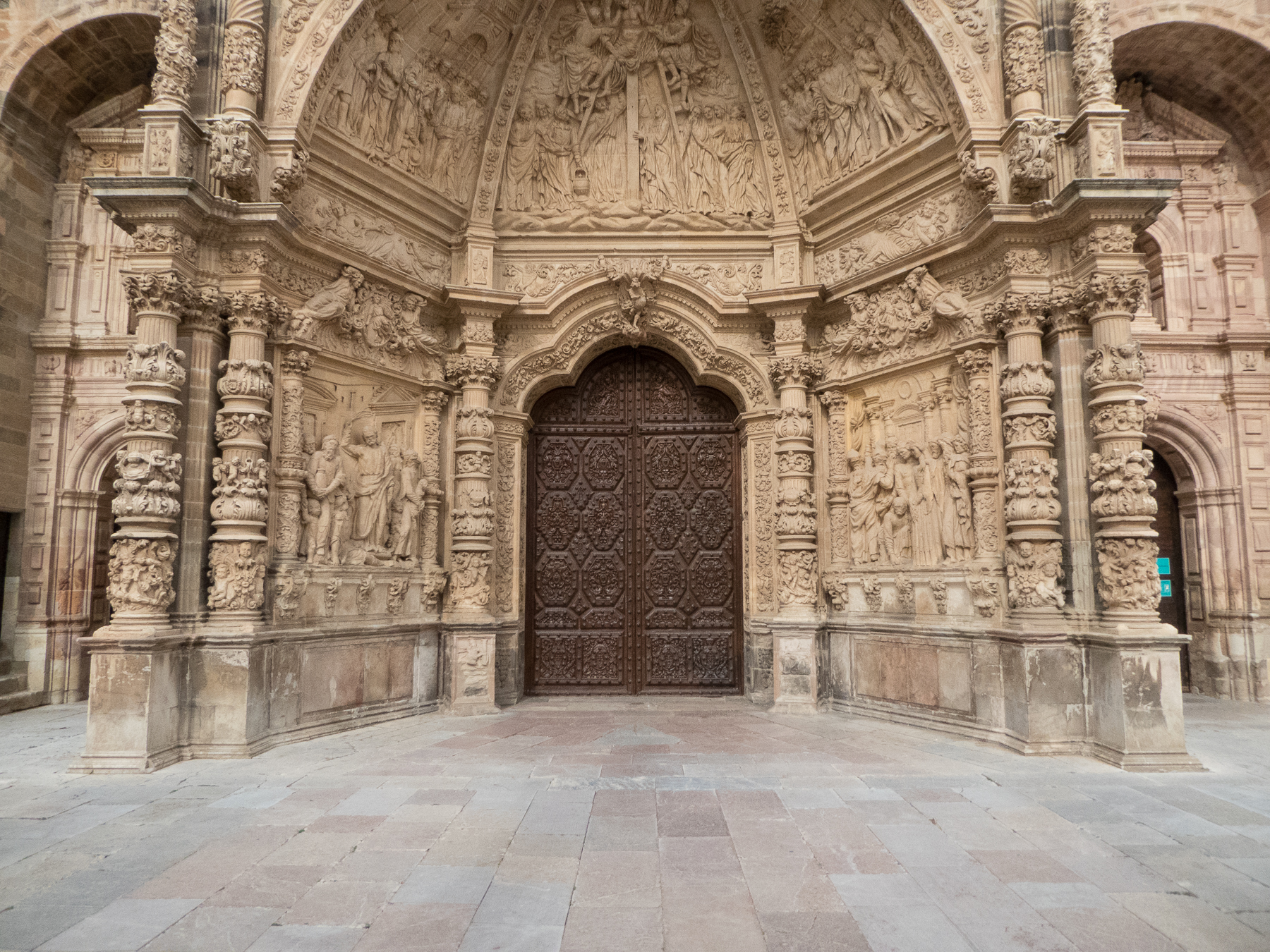
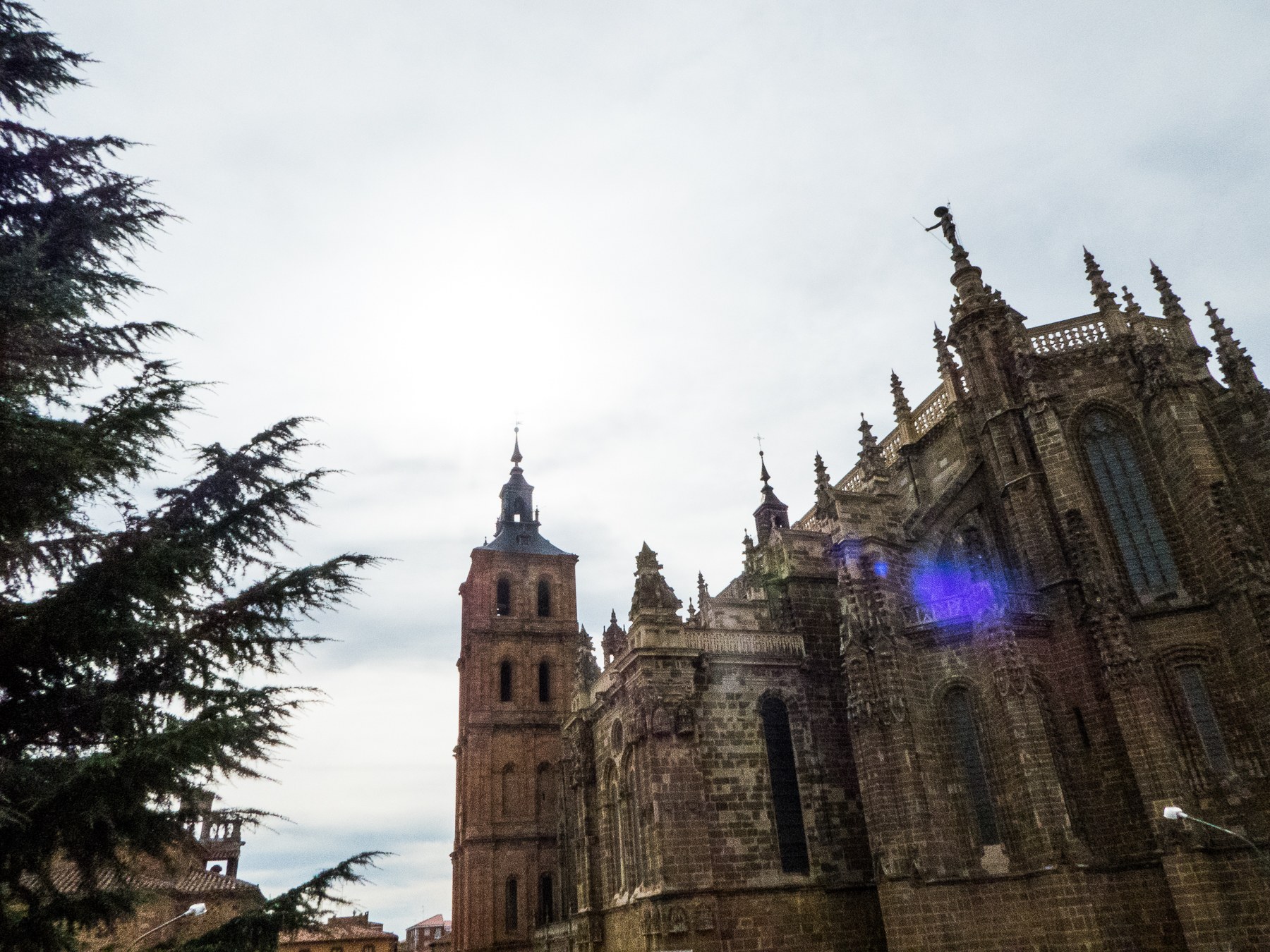
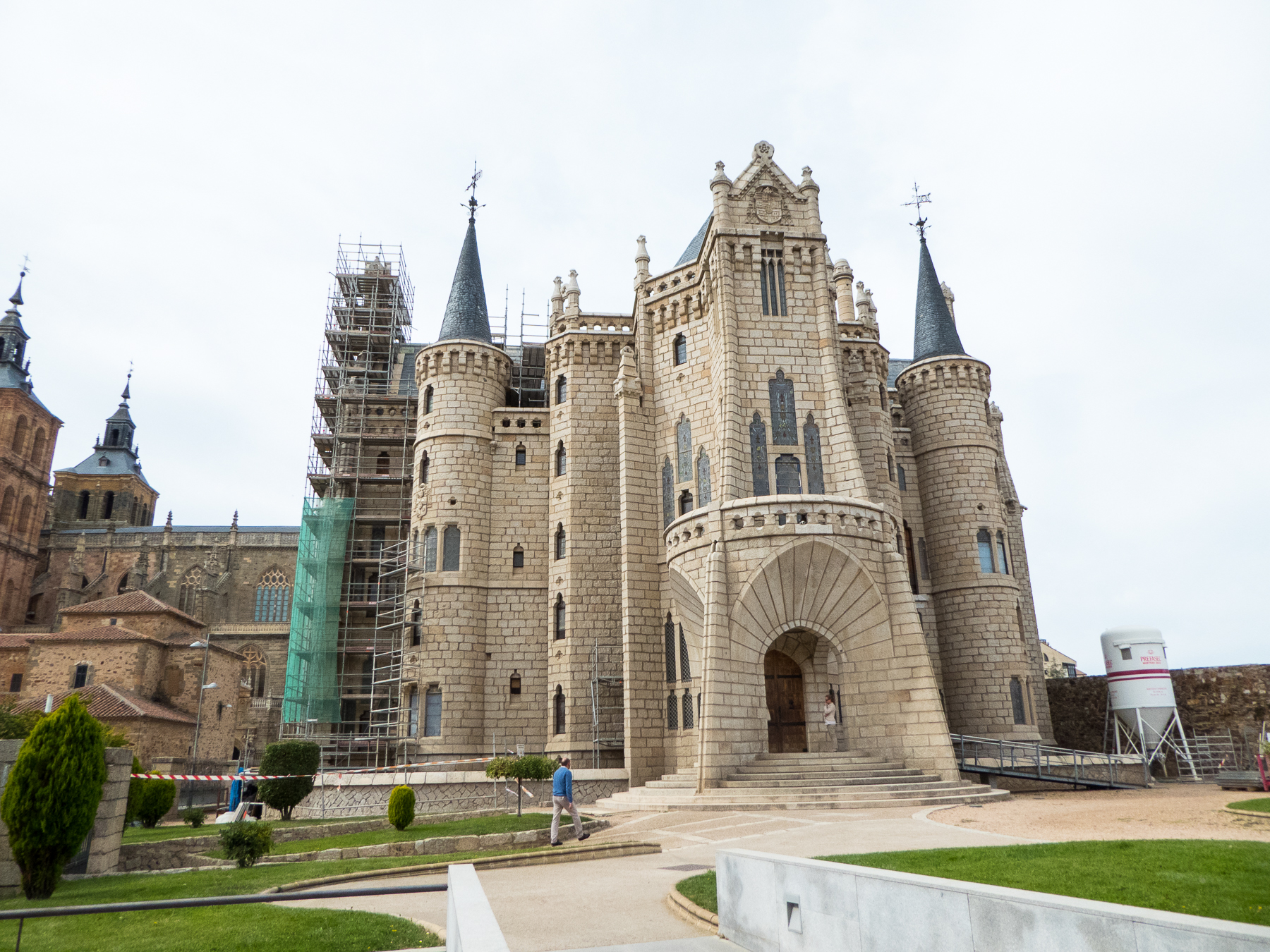
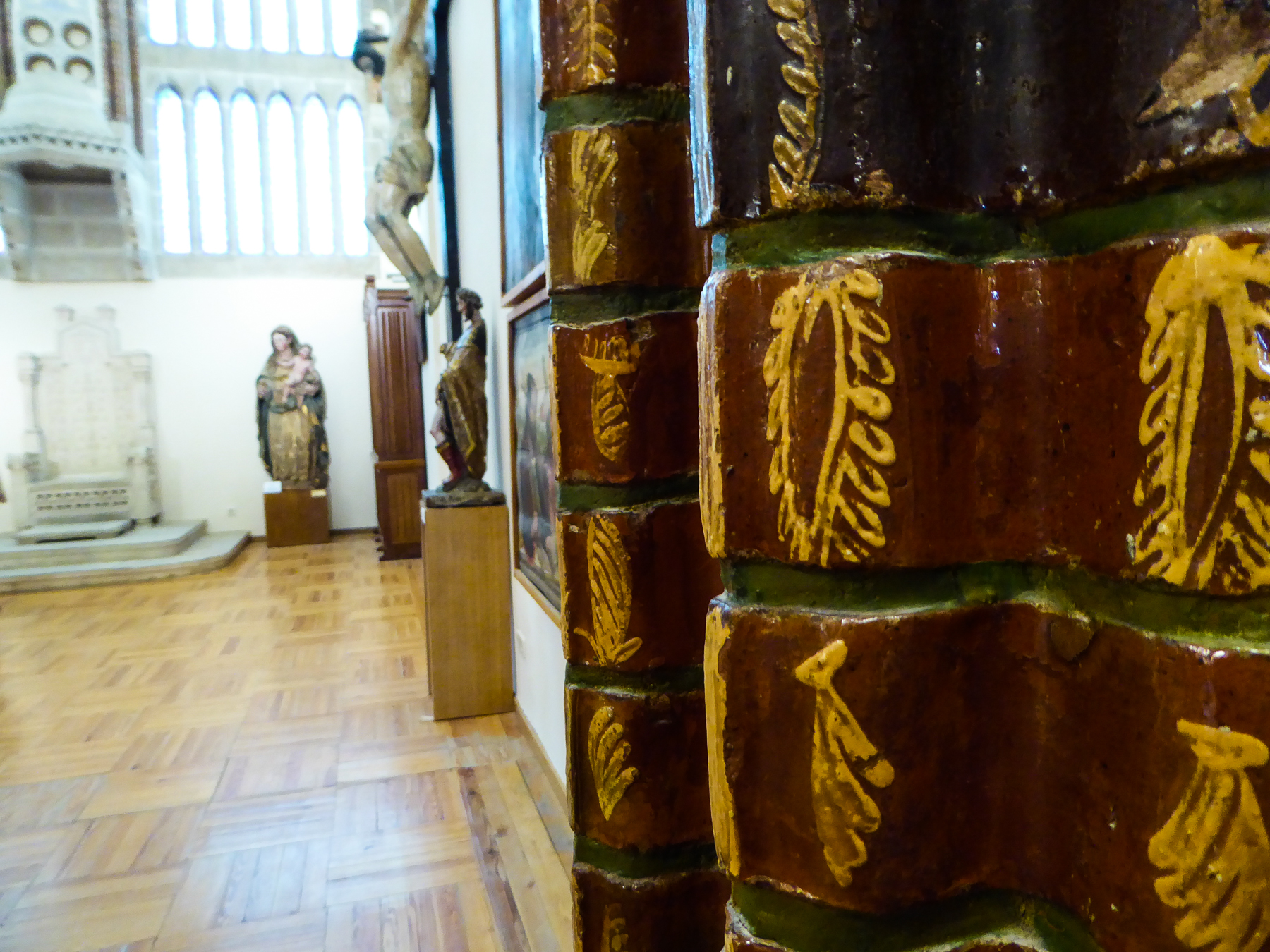
Cruceiro Santo Toribio is a stone cross that commemorates the 5th century Bishop Toribio of Astorga who supposedly fell to his knees here in a final farewell having been banished from the town. Wonderful view of the city of Astorga with the mountains looming in the distance.This gentleman has welcome wagon duty today along with tending to the flowers and shrubs near the stone cross.Tonight we sleep in the loft of a very old building, Albergue de Peregrinos San Javier located on a narrow street near the cathedral. 110 beds and we are up three levels in the top loft area. As you can see, we both get a front and center bottom bunk tonight surrounded by our international roommates. Friendly conversations are a bonus to this situation and we experience absolutely no bedbugs. A full kitchen is on the bottom level of the building so we are able to cook our own meal tonight and converse with other pilgrims doing the same. Flashlights are close and ready for action in case we need to walk down the dark staircase during the night to a lower level to use the facilities. Watch to the end of the video on this blog post and you will take a walk with me from top to bottom of the albergue. I’m glad there wasn’t a fire during the night because we would surely have been toast.Inside these doors… Astorga’s cathedral was built between the 15th and 18th centuries and combines various styles including Gothic and Baroque. The edifice was begun in 1471, within the same walls of its Romanesque predecessors from the 11th-13th centuries. Construction lasted until the 18th century which explains the inclusion of elements from later styles. ~Wikipedia Is Harry Potter home? Opposite the cathedral is the Palcio Episcopal designed by Anton Gaudi for the bishop of the time who was a fellow Catalan. The palace’s bizarre appearance and enormous cost horrified the church and no future bishops ever lived in it. It is now home to the Museo de los Caminos, an excellent museum of the pilgrimage to Santiago. ~spainthisway.com
We were not able to visit Museo Chocolate also located in Astorga, Spain. Here you can see a display of tools and objects that represent the history of chocolate production: instruments for roasting, refining and rolling, as well as pans, mortars, moulds and machines from the early 19th century.
















 RJMeyerArts
