Believe it or not, the prairie is brimming with opportunity for youth in our rural area. Musicians, artists, athletes…the list goes on. We have some of the finest schools providing a solid education along with extra-curricular activities to round out the experience. Many of these students are also working part-time jobs, perform volunteer work, and participate in other programs such as 4-H along with their studies. Thank you for allowing me the opportunity to be a small part of your high school experience.
The world may seem to be a roller coaster of events, but these examples of the class of 2017 give me hope.
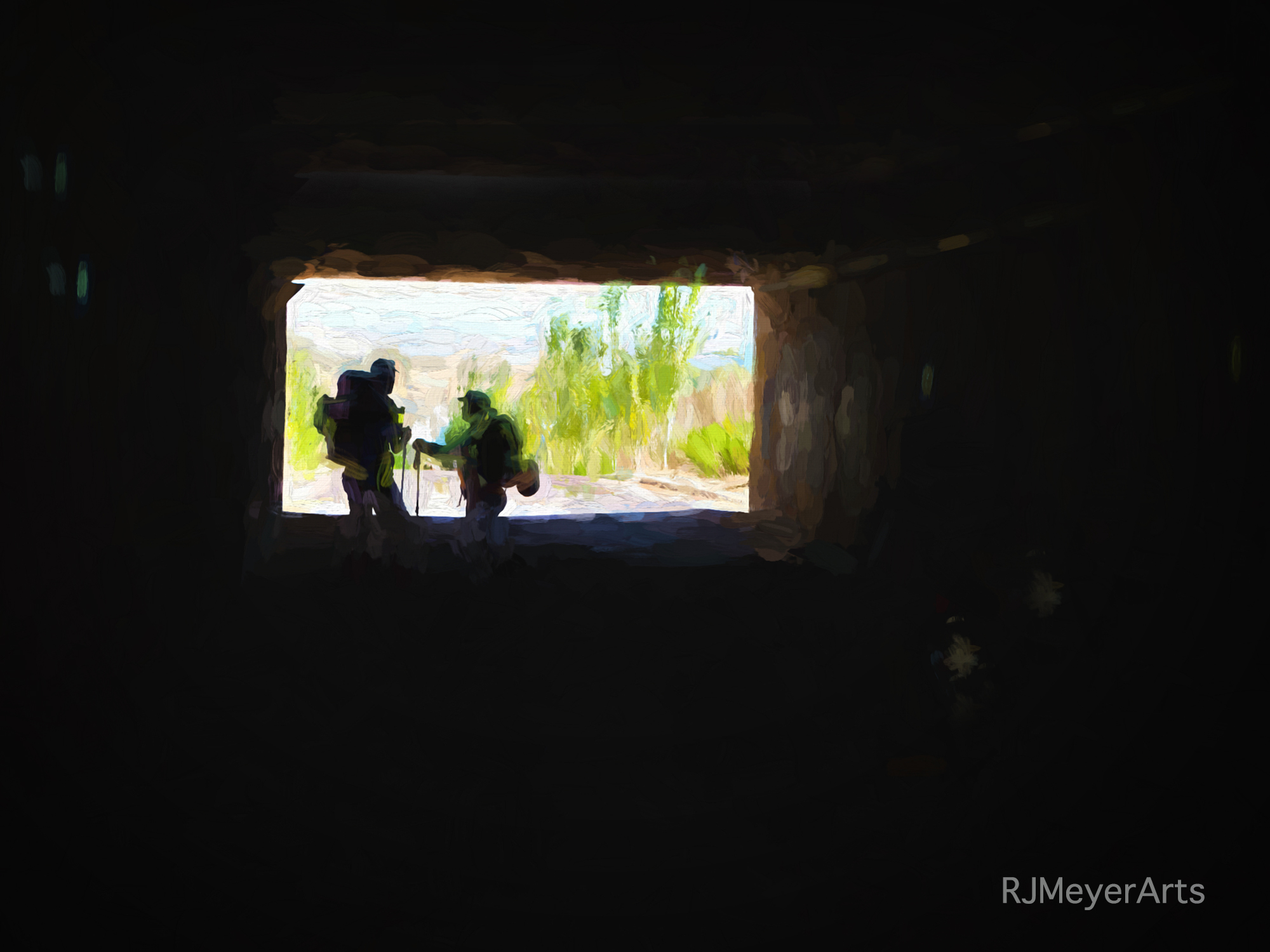
When I first started hiking a number of years ago, a fellow hiker gave me some important advice, “Don’t forget to look back.” When I see a memorable view I capture it with a camera so that I can revisit this moment in time. If the view is mediocre I turn back and resume hiking along my merry way with camera packed. As a photographer I have found this advice helpful, but even more I find it applies to life.
We all know life isn’t always pretty and we may stumble and step in crap from time to time. Learn, move on, without dwelling on these unfortunate moments. Likewise, there may be some unattractive elements in an image, but look beyond and see the beauty…
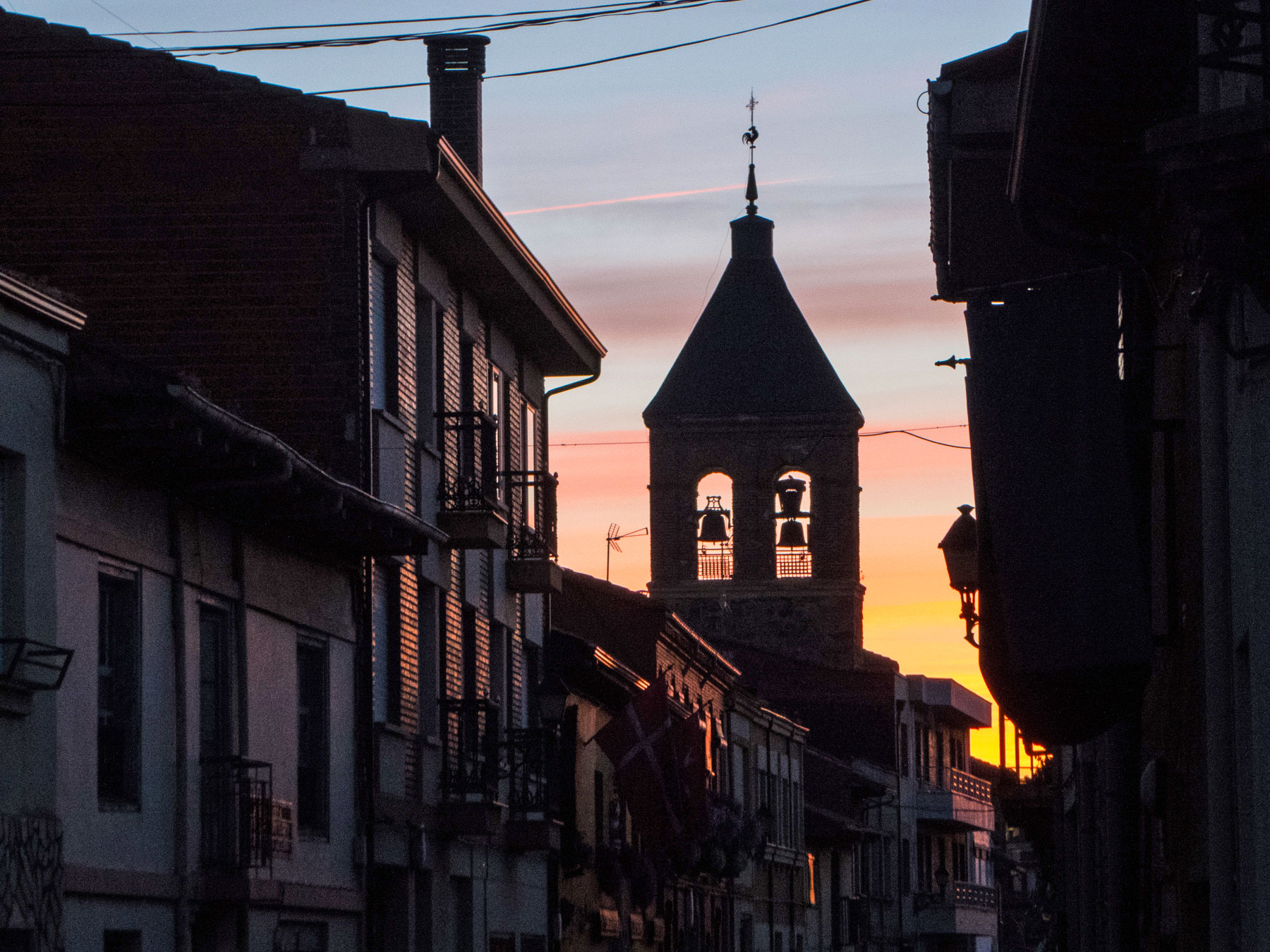
Looking back on Hospital de Orbigo, Spain. Image by Joyce Meyer
Image by Joyce MeyerImage by Joyce MeyerImage by Joyce Meyer
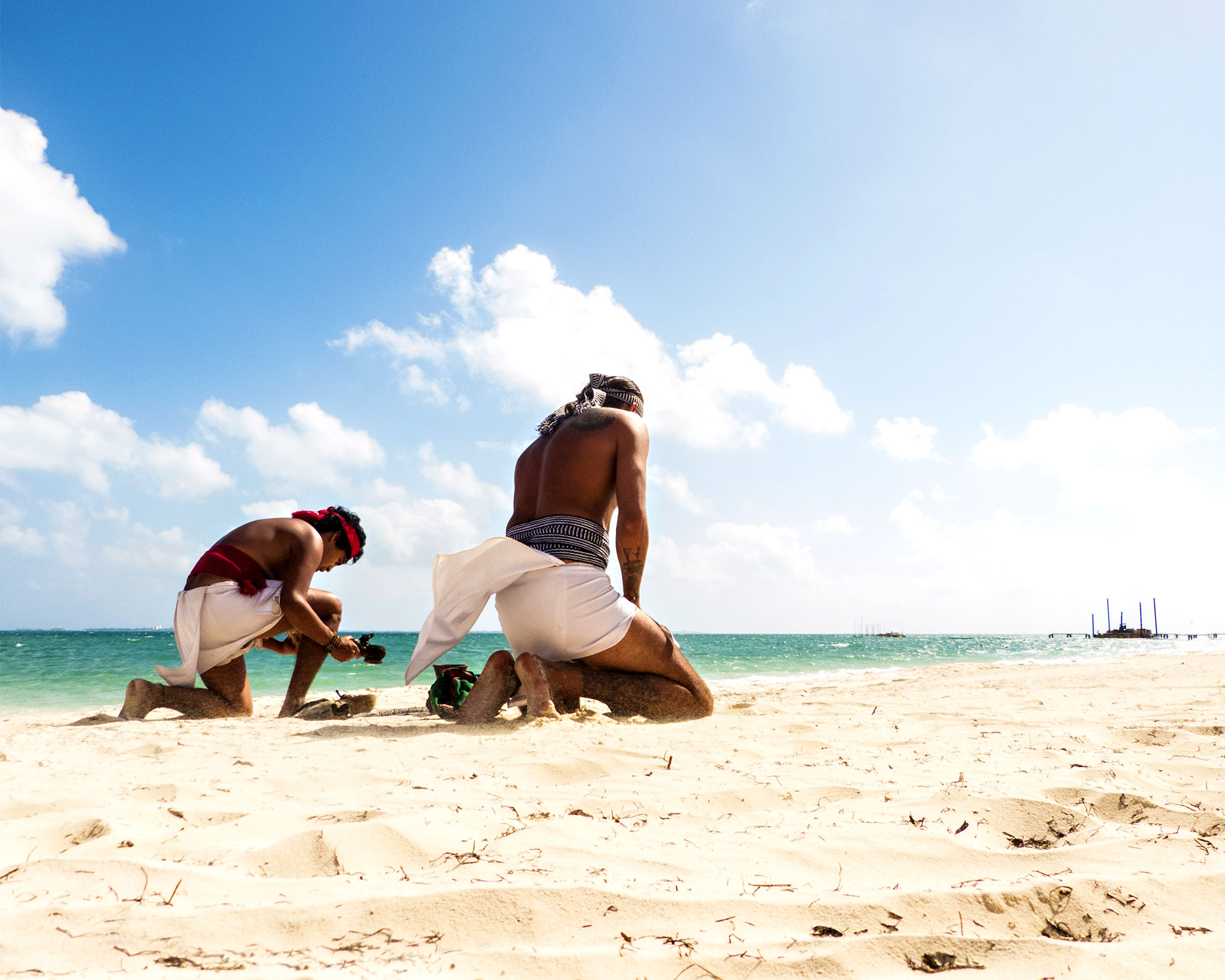
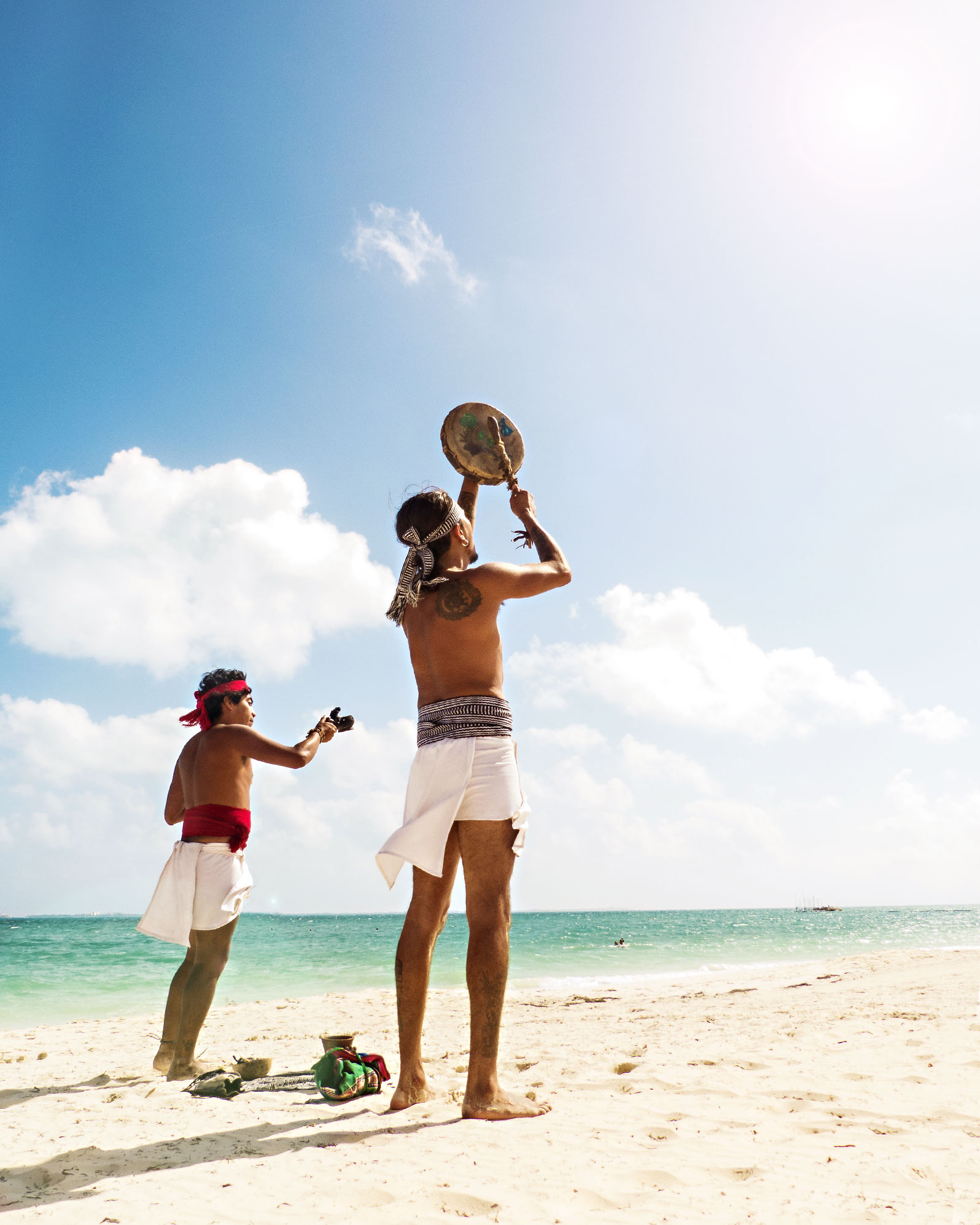
Upon reading the translation of the Mayan Prayer to the Seven Directions, I sense gratitude and hope. (Click on link for full prayer)*Excerpts from the prayer: May wisdom be transformed into right action… bless us with harmonies to end all war… all hail the harmony of mind and nature. I may have a different belief system and pray to a different God than the Ancient Mayans, but I also find their prayer timeless in an earthly sense. Peace out.
September 24, 2016: Camino Completion ~ third time’s a charm. Another dot is connected as we walk into Astorga, Spain.
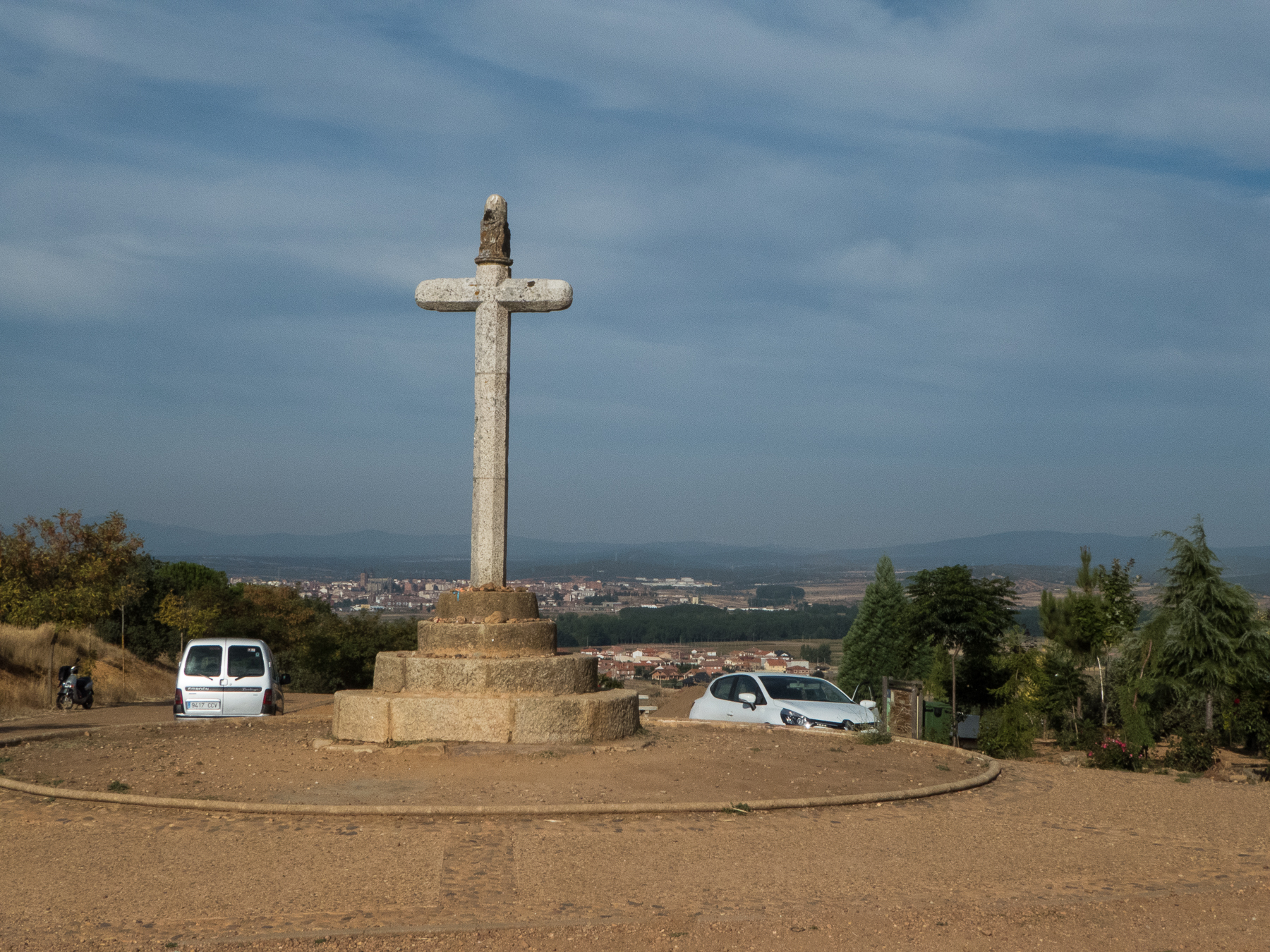
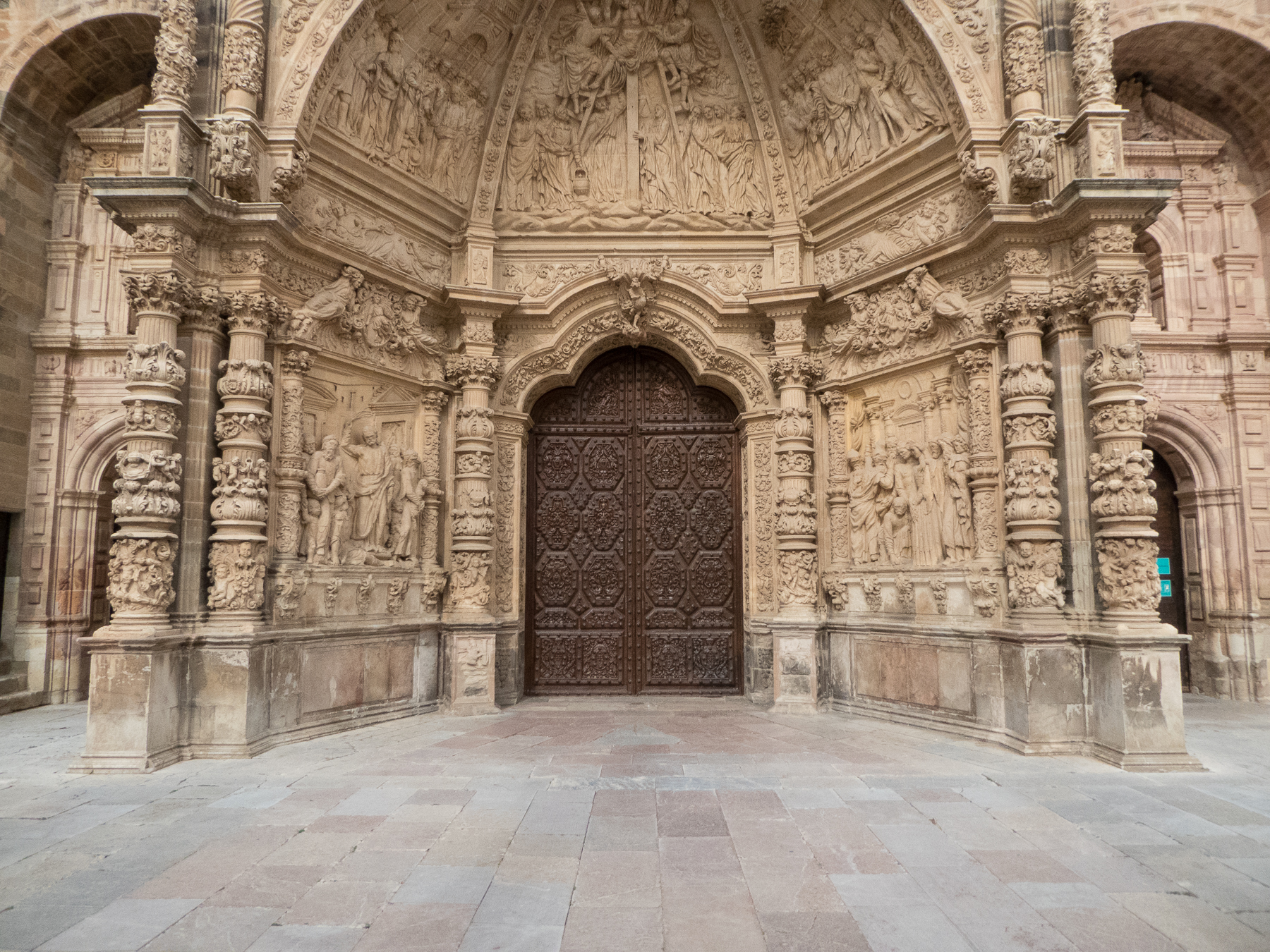
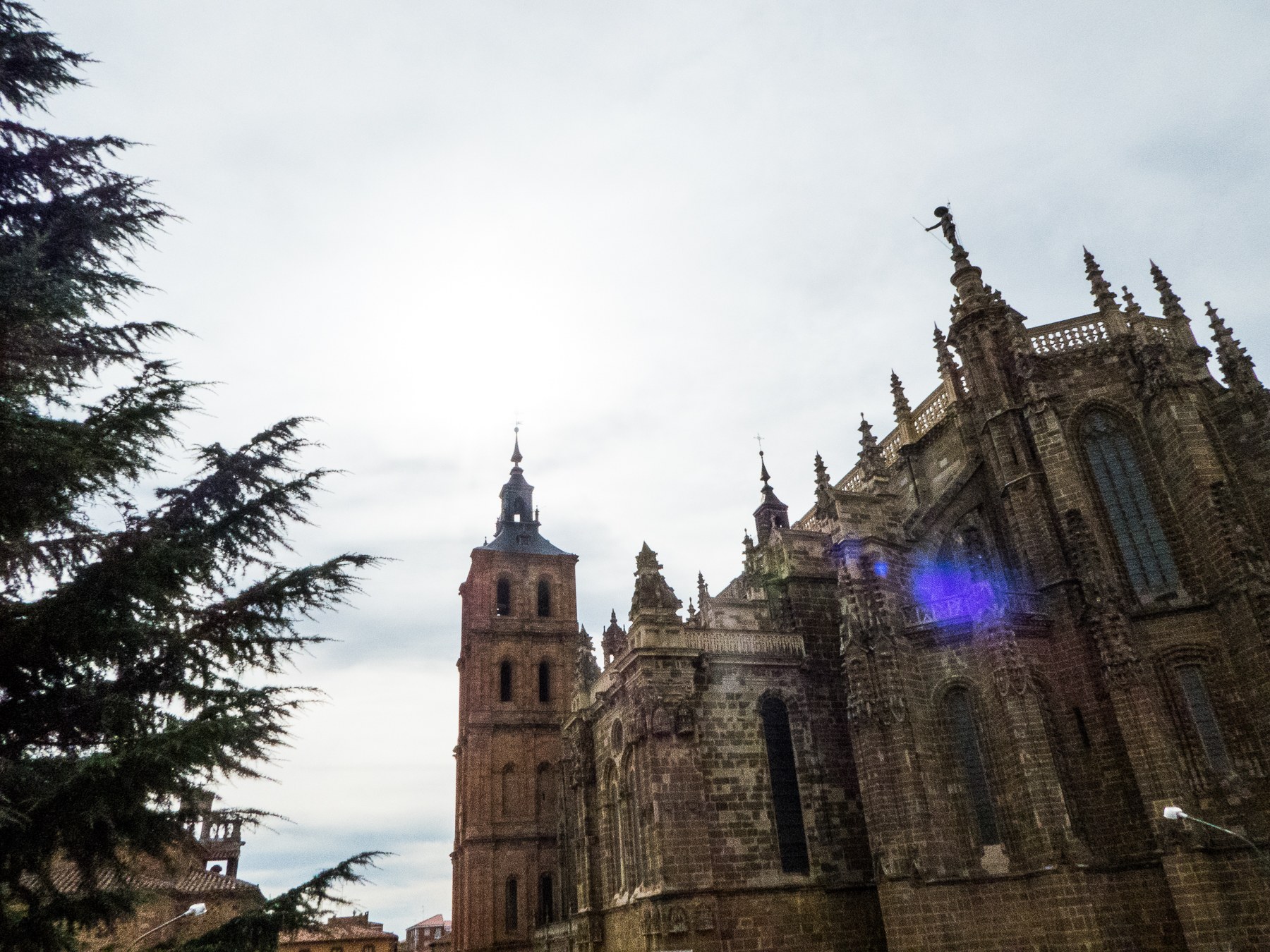
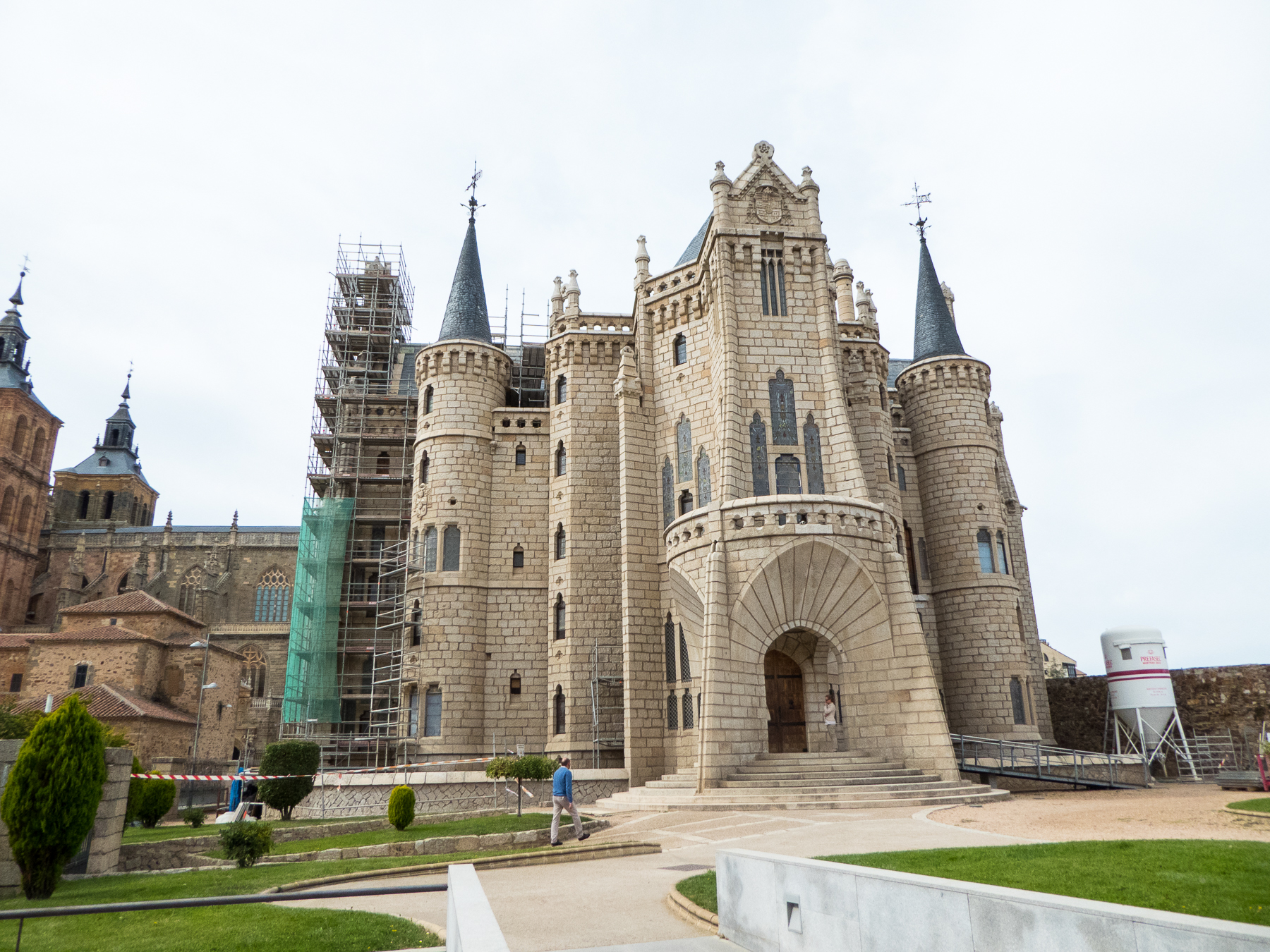
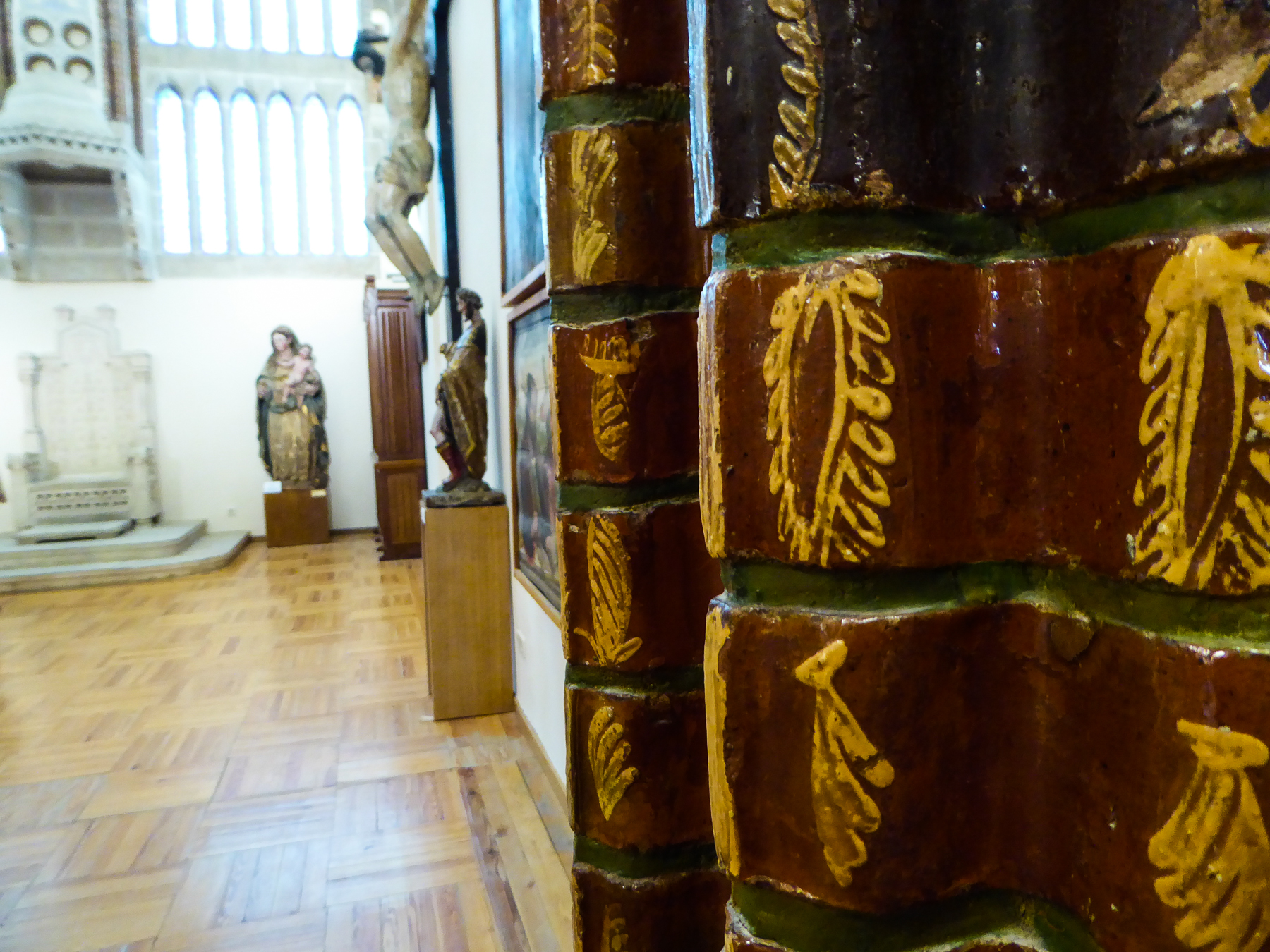
Cruceiro Santo Toribio is a stone cross that commemorates the 5th century Bishop Toribio of Astorga who supposedly fell to his knees here in a final farewell having been banished from the town. Wonderful view of the city of Astorga with the mountains looming in the distance.This gentleman has welcome wagon duty today along with tending to the flowers and shrubs near the stone cross.Tonight we sleep in the loft of a very old building, Albergue de Peregrinos San Javier located on a narrow street near the cathedral. 110 beds and we are up three levels in the top loft area. As you can see, we both get a front and center bottom bunk tonight surrounded by our international roommates. Friendly conversations are a bonus to this situation and we experience absolutely no bedbugs. A full kitchen is on the bottom level of the building so we are able to cook our own meal tonight and converse with other pilgrims doing the same. Flashlights are close and ready for action in case we need to walk down the dark staircase during the night to a lower level to use the facilities. Watch to the end of the video on this blog post and you will take a walk with me from top to bottom of the albergue. I’m glad there wasn’t a fire during the night because we would surely have been toast.Inside these doors… Astorga’s cathedral was built between the 15th and 18th centuries and combines various styles including Gothic and Baroque. The edifice was begun in 1471, within the same walls of its Romanesque predecessors from the 11th-13th centuries. Construction lasted until the 18th century which explains the inclusion of elements from later styles. ~Wikipedia Is Harry Potter home? Opposite the cathedral is the Palcio Episcopal designed by Anton Gaudi for the bishop of the time who was a fellow Catalan. The palace’s bizarre appearance and enormous cost horrified the church and no future bishops ever lived in it. It is now home to the Museo de los Caminos, an excellent museum of the pilgrimage to Santiago. ~spainthisway.com
We were not able to visit Museo Chocolate also located in Astorga, Spain. Here you can see a display of tools and objects that represent the history of chocolate production: instruments for roasting, refining and rolling, as well as pans, mortars, moulds and machines from the early 19th century.
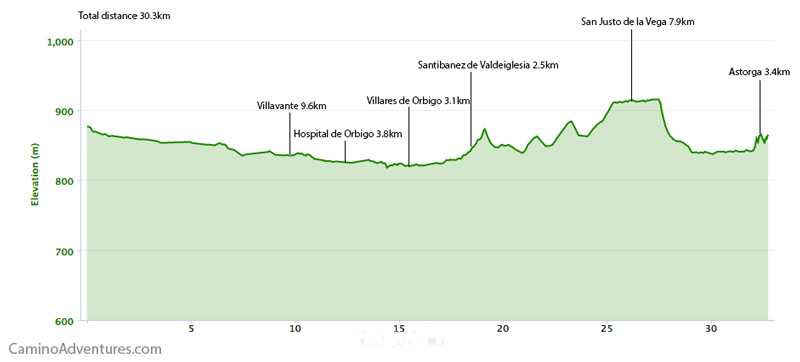
September 23, 2016: Two options today ~ follow the highway path or take the longer alternate path. We naturally opt for the longer route since we rarely seem to do anything the easy way.
Short video of the day featuring the inspiration for our morning mantra ~ …Coffee Town:
As usual, we follow an arrow to proceed straight ahead. What’s this? A set of large railroad tracks loom ahead and we are hesitant to cross since neither of us like to break rules. Hmmm…? Turn around and back we go to find this little arrow pointing to a road that winds us through town, up and over a pedestrian railroad crossing. Safety first and it’s a good thing we like to walk.
Image from Galicia Guide
The 13th century bridge taking us into Hospital Orbigo is the longest one on the Camino at 204 metres long (approximately 670 feet) and has 20 arches. The river that it crosses doesn’t seem to appear to warrant such a lengthy bridge, but prior to a dam being built at Barrios de Luna the river was a lot wider. ~Galicia Guide
This bridge has facilitated trade since Roman times including the passage of livestock as part of the cattle trail Camino de la Canada, as well as sweaty pilgrims. ~John Brierly
I see our albergue! A sign can be spotted from the bridge so we have finally arrived. The albergue tonight is connected to a bar/restaurant which means we have a zero kilometer walk tonight. Yes!
















 RJMeyerArts