

My daughter calls with urgency in her voice,“Notre Dame Cathedral is on fire!” I quickly turn the TV on to see the tragic flames as the spire goes down. Immediately, I feel grateful that our trip to hike the Camino de Santiago in northern Spain involved a flight to and from Paris, France. Having a couple of days extra before flying home we decided to hit some of the sights of Paris which included one of the most famous buildings in the world, Notre Dame Cathedral.
The building of the cathedral was completed over the course of 200 years; it was started in 1163 during the reign of King Louis VII and was completed in 1345.
In its history, Notre Dame has endured destruction and subsequent restoration in many periods. However, much of the facade and interior still are true to the original designs. In the 16th century, both the Huguenots and the French king vandalized and changed a lot of the cathedral’s contents. A lot of the features on the cathedral’s exterior were removed because they were considered to be idolatrous, and tombs and stained glass windows were destroyed in the name of modernization. The cathedral was converted into a storage warehouse for food, during the French Revolution, and the heads of many of Notre Dame’s statues were removed.
The Cathedral was at one time in a stage of total disrepair and close to the point of being demolished, but was later saved by Napoleon who himself was crowned Emperor in 1804 inside the Cathedral.
Between 1845 and 1870, a first attempt at restoration took place. A good portion of the previous century’s damage done to the cathedral was repaired, and new additions were built. Most recently, a new restoration program was started in 1991 and has gone on for 20 years with a focus on cleaning up facade’s and sculptures. ~notredamecathedralparis.com
Today’s event has caused quite a step backwards, I’d say…
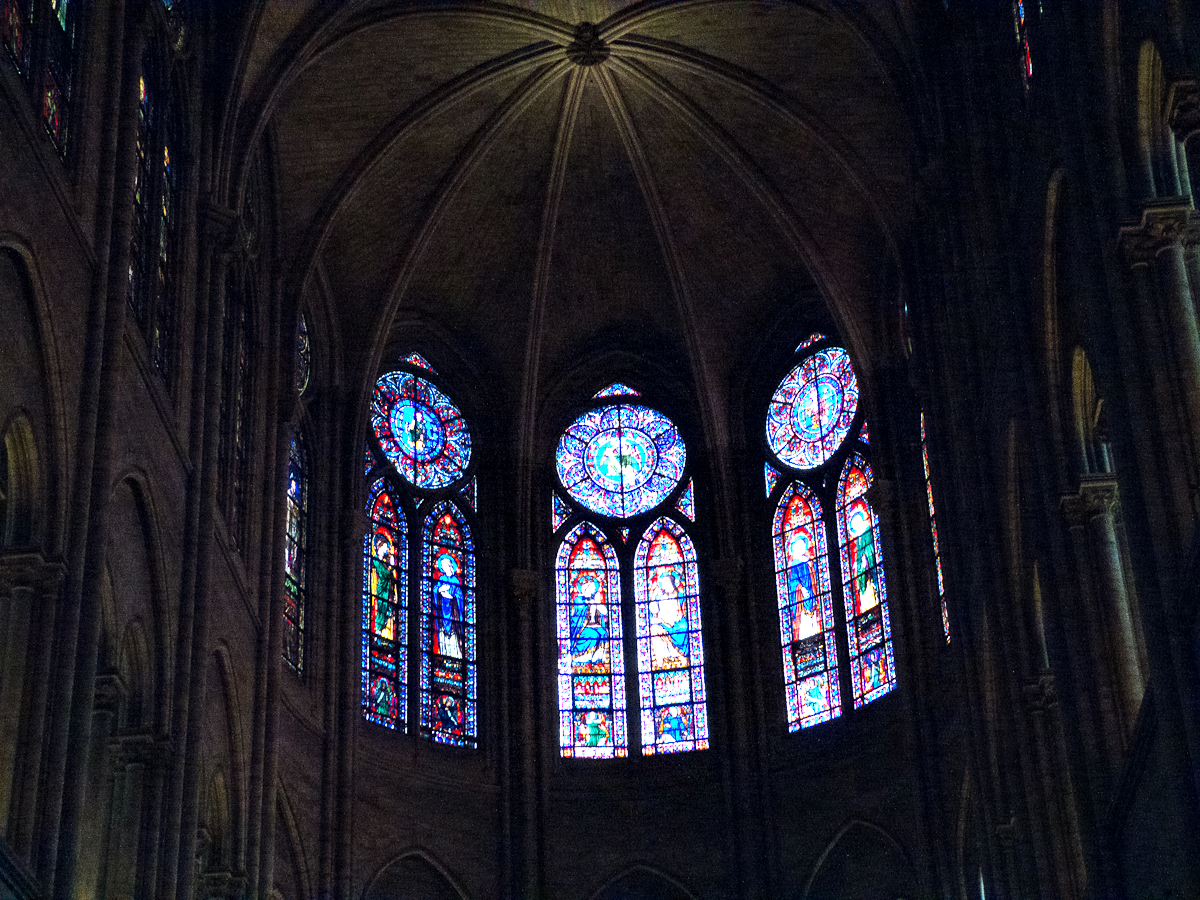
Below are some of the images I was able to capture during our visit in 2014:


This Notre Dame beggar (Gypsy?) working the line will need to find a new location. Maybe, she’ll try her luck at Sacre Coeur.


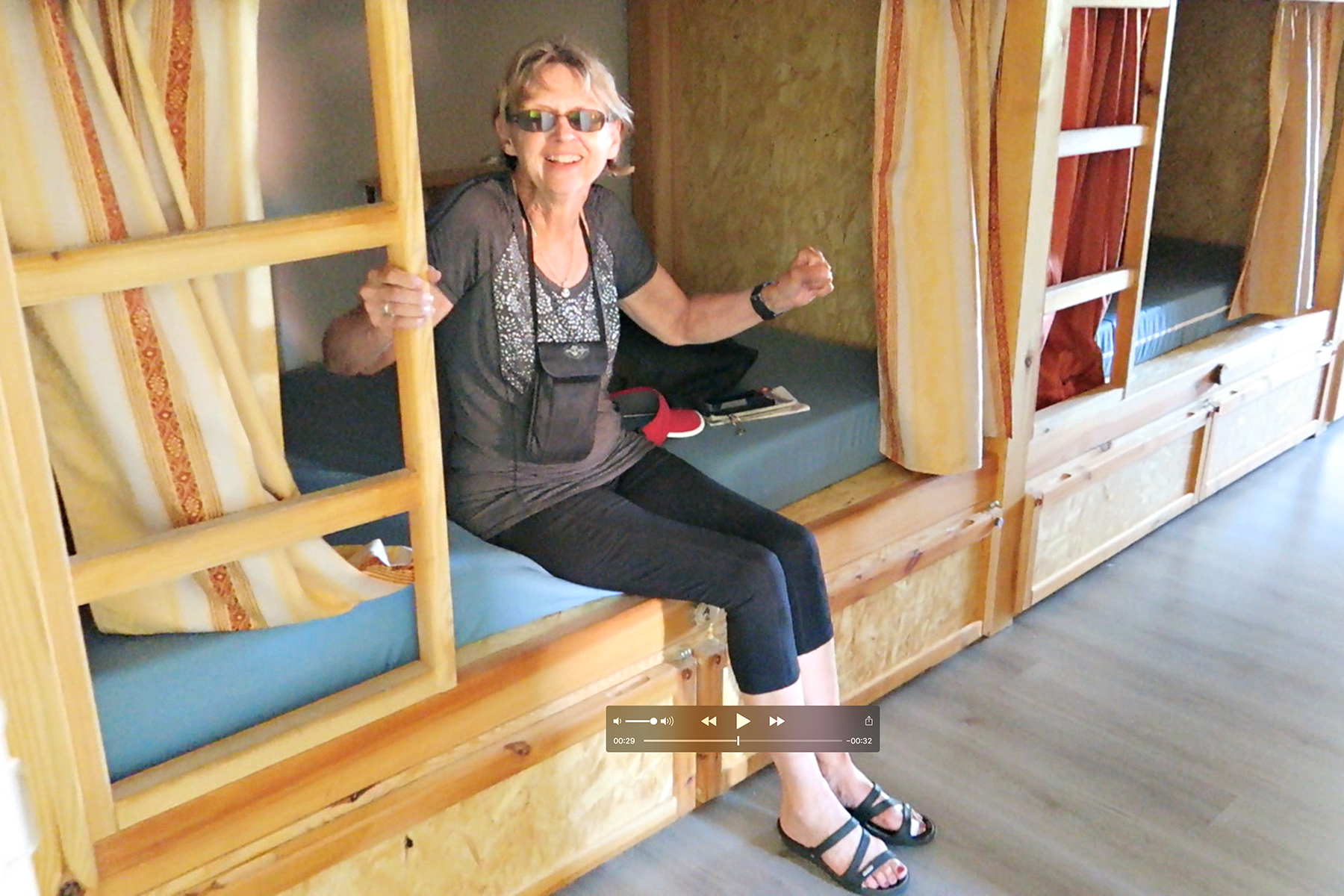
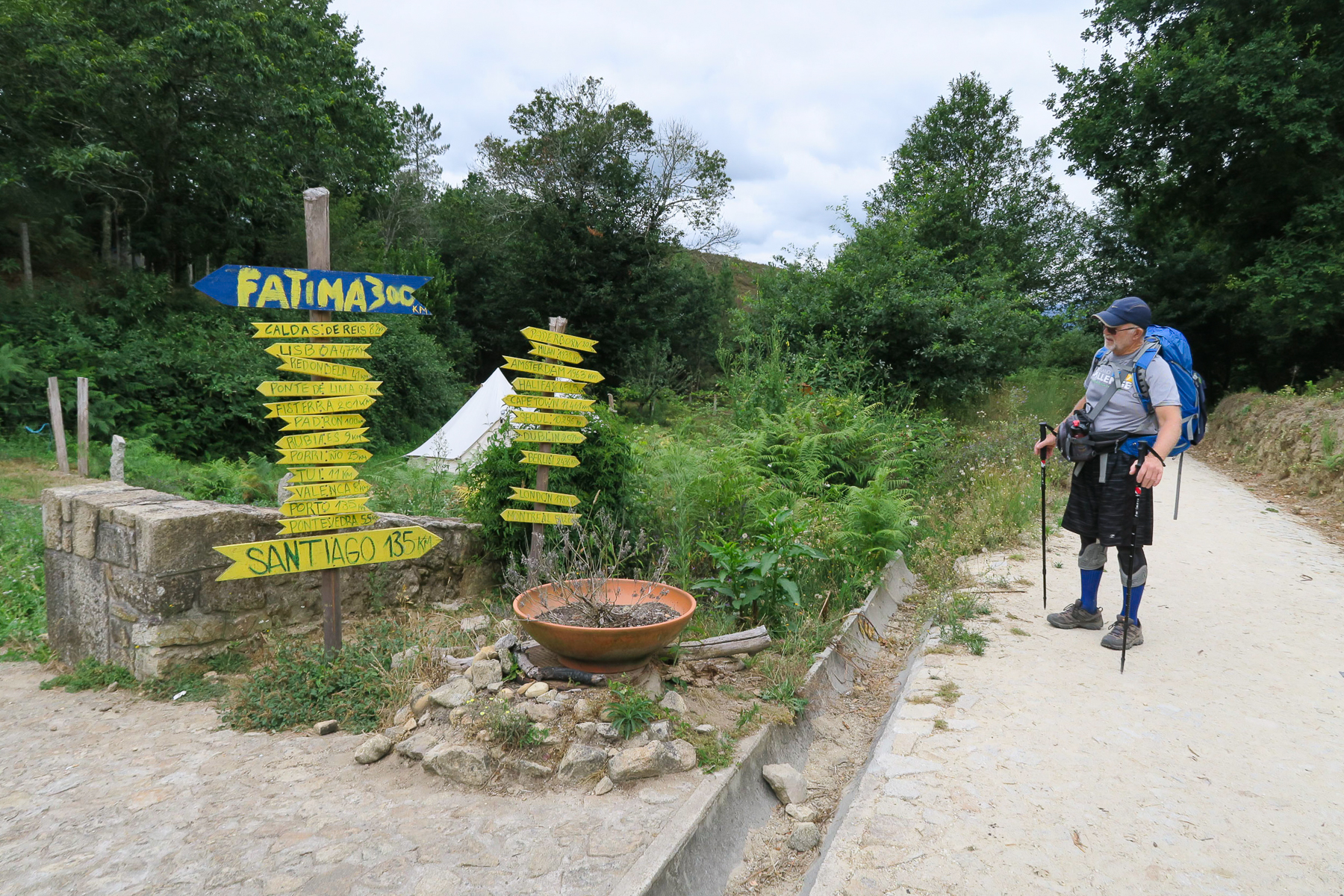 The number of pilgrims is putting pressure on the bed supply so there is no room at the inn if we walk to Valenca or Tui. We opt for a short day and reserve a bed in a bunk house at Quinta de Camino in Pereira. Too early to check in so we order a little snack…





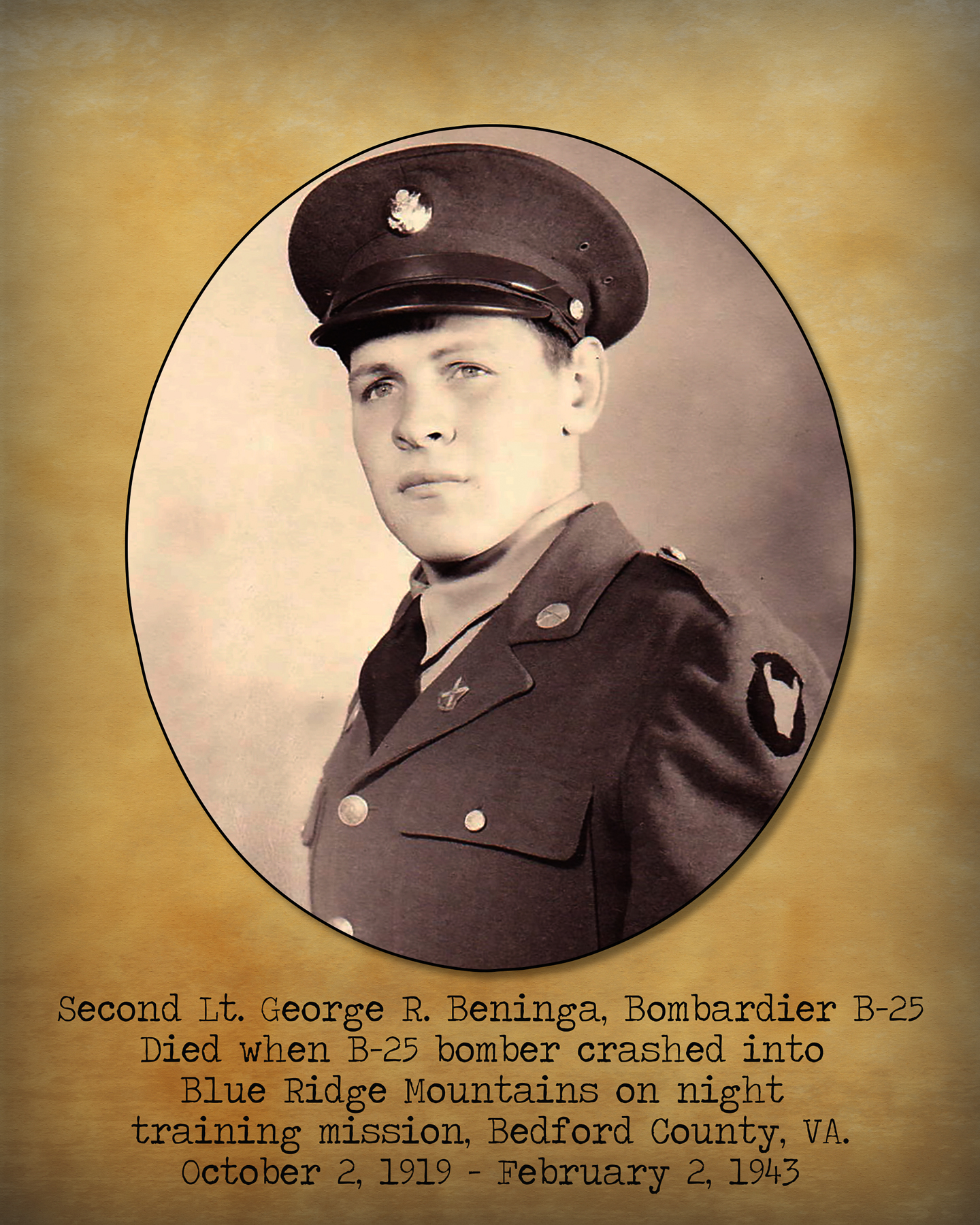
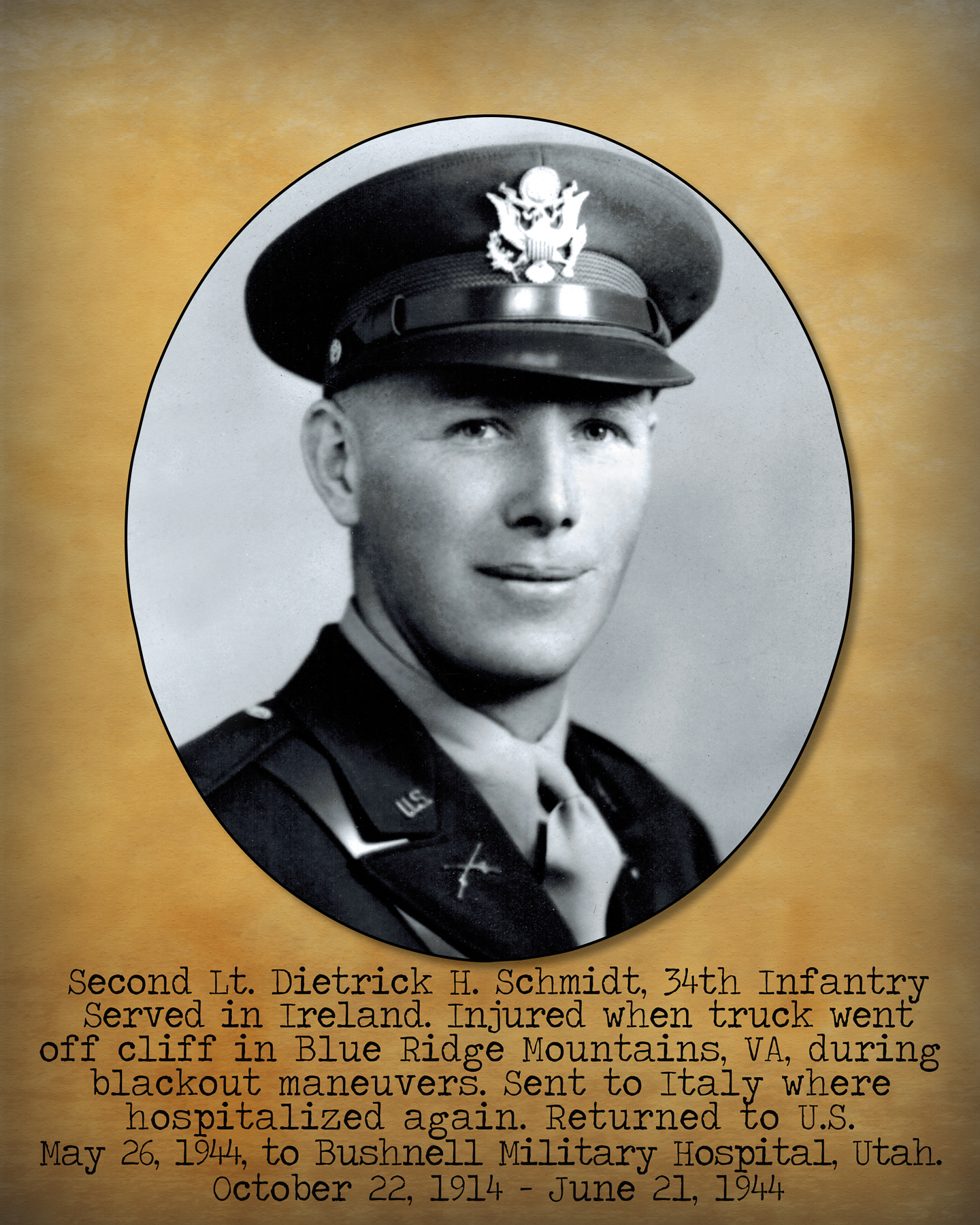


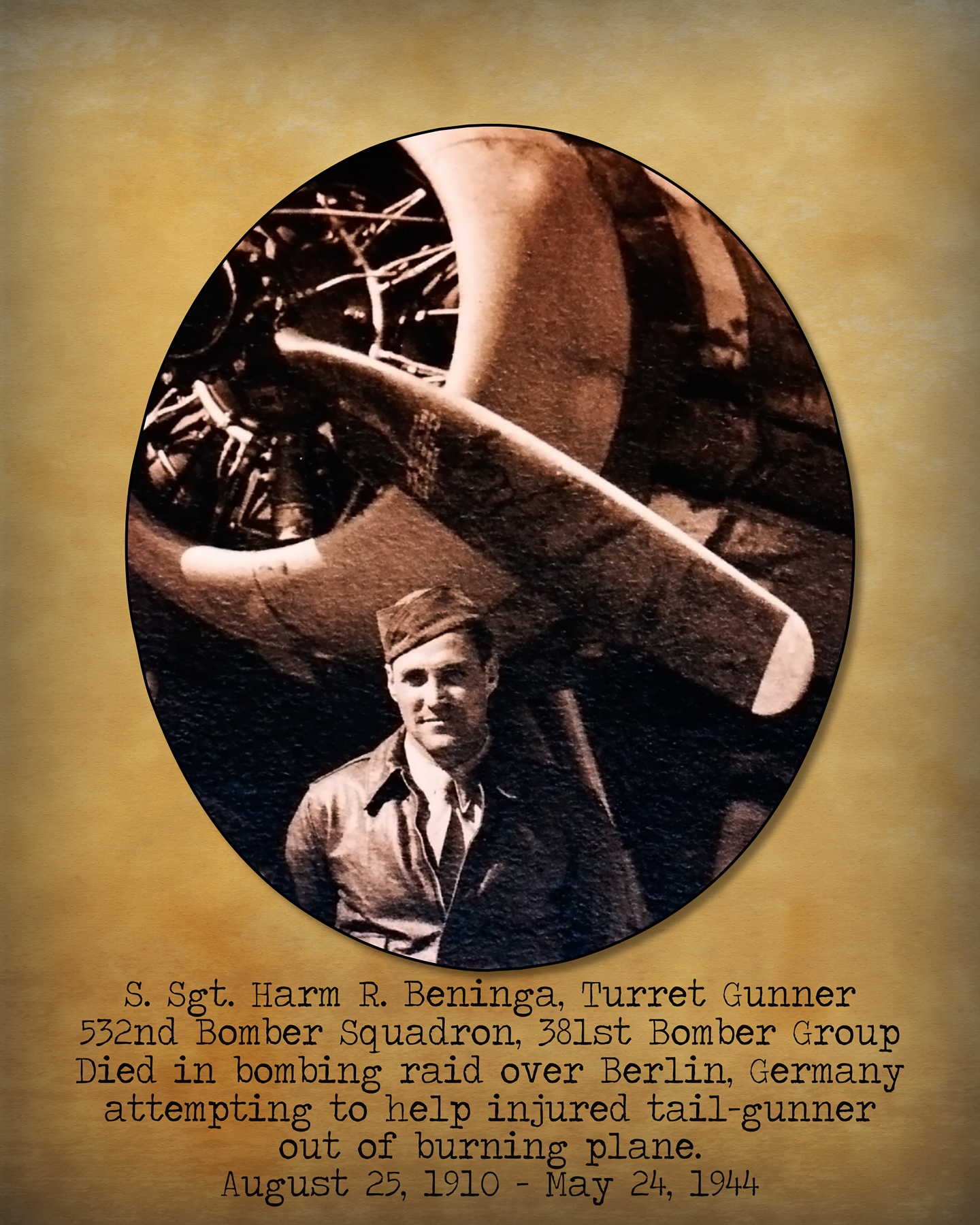
 These were not the only soldiers from our area to die as a result war. The list above includes all Lac Qui Parle County casualties during WW II. I recognize familiar surnames from the area and wonder about their stories, as well.


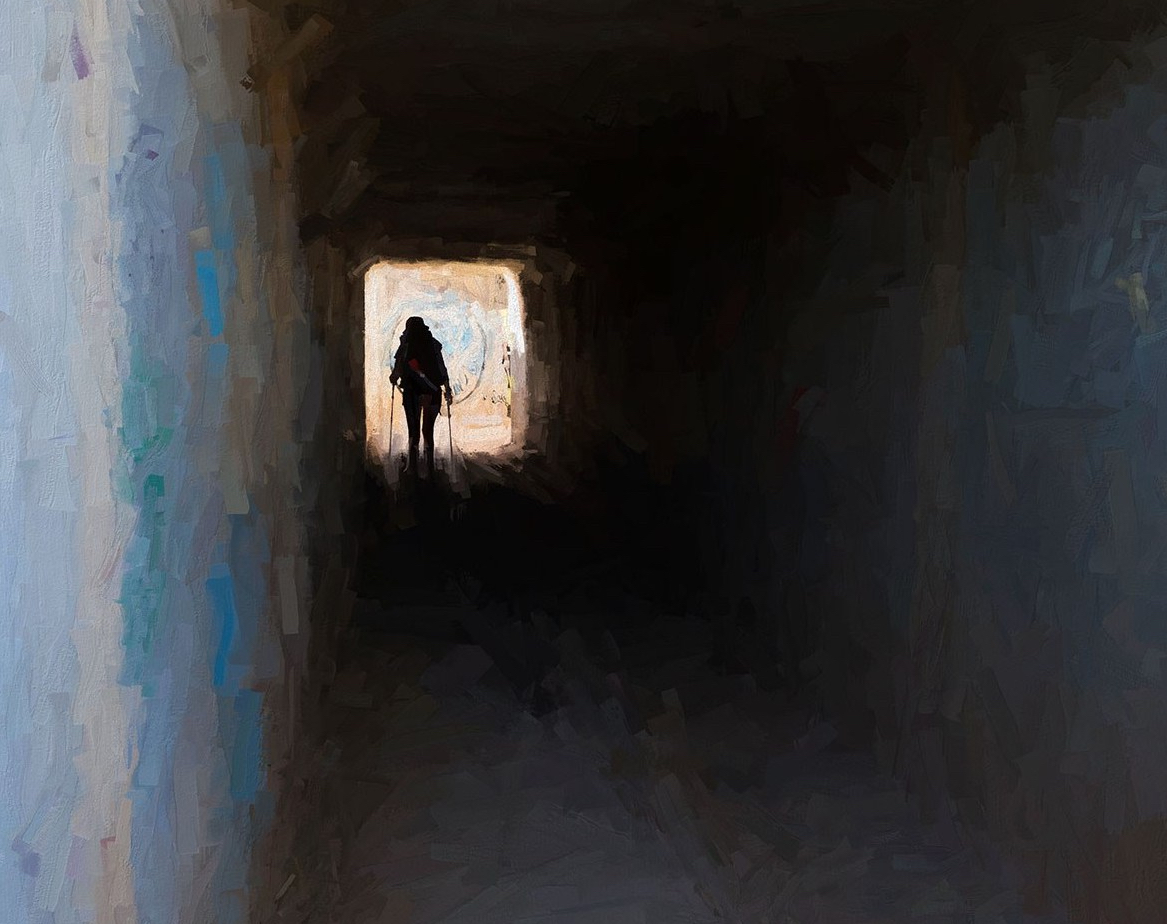

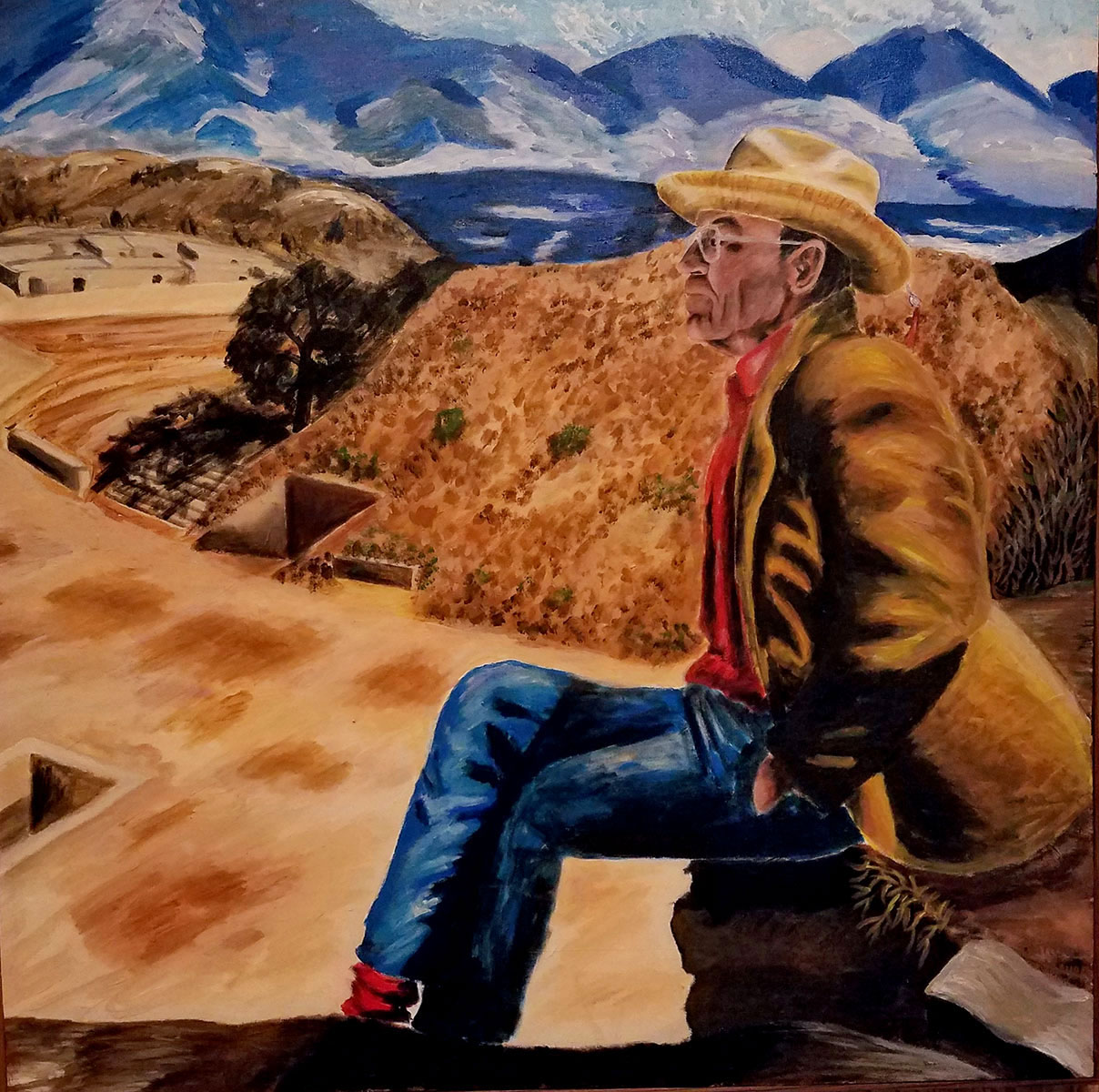
 “Hobo at the Breakfast Table” by Randy Meyer


 RJMeyerArts